
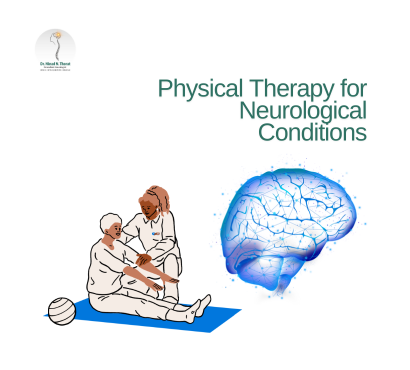
What makes neurological physical therapy different?
Neurological conditions such as stroke, spinal cord injury, multiple sclerosis, Parkinson’s disease, brain injury and peripheral nerve disorders all affect how the brain and nerves communicate with muscles. People may have weakness, stiffness, tremors, poor coordination, numbness, imbalance or difficulty controlling movements.
Neurological physical therapy is designed specifically for this kind of problem. Instead of simply “strength training”, the focus is on retraining movement patterns, stimulating neuroplasticity (the nervous system’s ability to reorganise) and teaching the body safer, more efficient ways to move.
Goals of physical therapy in neurological conditions
Across different diagnoses, the broad goals of neurological physical therapy are similar:
- Improve mobility: getting in and out of bed, standing, walking and stair climbing.
- Restore movement and muscle control: reduce abnormal patterns, encourage smoother, more coordinated actions.
- Enhance balance and prevent falls: a critical issue in stroke, Parkinson’s disease and multiple sclerosis.
- Manage stiffness, spasticity and pain: through stretching, positioning, movement and physical modalities.
- Build confidence and independence in daily activities, from self‑care to community participation.
Each plan is personalised, taking into account the specific condition, severity, patient goals and home environment.
Stroke: physical therapy after a brain attack
After a stroke, many people lose strength, coordination or control on one side of the body. There may be difficulty walking, using the hand, maintaining balance or performing daily tasks.
Physical therapy for stroke typically focuses on:
- Early mobilisation and safe bed‑to‑chair transfers.
- Gait training with supportive devices, parallel bars or treadmill systems.
- Task‑specific practice like reaching, grasping and releasing objects.
- Balance exercises to reduce falls and fear of movement.
Research shows that structured physical activity and rehabilitation after stroke can improve functional performance, reduce neurological impairment and increase the chance of regaining independence.
Parkinson’s disease: movement, balance and freezing
In Parkinson’s disease, stiffness, slowness, tremor and postural instability make walking and turning difficult. Many patients also experience freezing episodes and are at high risk of falls.
Neurological physiotherapy in Parkinson’s focuses on:
- Large‑amplitude, rhythm‑based movements to counteract small, shuffling steps.
- Balance training and strategies to prevent falls.
- Cueing techniques (visual or auditory cues) to overcome freezing episodes.
- Strength and flexibility exercises to maintain posture and mobility.
Studies indicate that exercise and physiotherapy improve walking speed, stride length, activities of daily living and balance in Parkinson’s disease.
Multiple sclerosis and other progressive conditions
Multiple sclerosis, motor neuron disease and similar conditions often cause fatigue, weakness, poor balance and fluctuating symptoms. While these diseases can be progressive, physical therapy helps to:
- Preserve current function and delay decline.
- Address specific issues like foot drop, poor trunk control or spasticity.
- Reduce fatigue by teaching energy‑conservation and efficient movement strategies.
Evidence indicates that appropriate physical activity improves walking capacity, fatigue and quality of life in people with MS and other chronic neurological diseases.
Spinal cord injuries and peripheral nerve damage
In spinal cord injury, signals from the brain to the body are partially or completely blocked, leading to paralysis or significant weakness. Physical therapy aims to:
- Maximise any remaining strength and sensation.
- Train safe transfers, wheelchair skills or assisted walking when possible.
- Maintain joint mobility and prevent contractures and pressure sores.
Peripheral nerve injuries, such as nerve compression or trauma, can cause local weakness and numbness. Therapy helps restore strength, prevent muscle atrophy and retrain coordination as nerves recover.
Core techniques used in neurological physical therapy
Neurologist may combine several evidence‑based techniques, for example:
- Facilitation and movement re‑education: Hands‑on guidance to encourage normal movement patterns and reduce abnormal synergies.
- Strength and endurance training: Graded resistance exercises tailored to neurological limitations, not just generic gym workouts.
- Balance and gait training: Static and dynamic balance exercises, obstacle walking, turning and dual‑task drills to reduce falls.
- Task‑specific practice: Repeating meaningful activities like sit‑to‑stand, reaching for shelves or stepping onto a curb to integrate skills into real life.
- Hydrotherapy/aquatic therapy: Exercising in water to improve balance and joint loading, especially in stroke and Parkinson’s disease.
These techniques are adjusted as patients progress, with regular reassessment of goals and outcomes.
Neuroplasticity: why repetition matters
One of the most powerful concepts behind neurological rehabilitation is neuroplasticity. The brain and spinal cord can form new connections and pathways when a movement or task is practiced repeatedly and meaningfully.
Neurological physical therapy leverages this by:
- Repeating specific movements in slightly varied contexts to strengthen new pathways.
- Combining sensory input (touch, visual feedback) with active movement.
- Encouraging practice outside the clinic, with home programmes and caregiver involvement.
Over time, these strategies help the nervous system “rewire” itself, allowing patients to perform movements that were previously impossible or extremely effortful.
Preventing falls and fear of movement
Falls are a major concern in neurological conditions, leading to fractures, hospitalisations and loss of confidence. Evidence supports exercise‑based interventions, particularly in Parkinson’s disease, to reduce falls and address modifiable risk factors such as muscle weakness, poor balance and reduced joint position sense.
Physical therapists also work on:
- Fall‑safe strategies (how to get up from the floor).
- Home safety advice (removing clutter, adjusting bathroom supports).
- Reducing “kinesiophobia” – the fear of movement – by gradually exposing patients to safe activity and building trust in their body.
The emotional side: confidence, control and quality of life
Beyond physical gains, therapy sessions often give patients a sense of progress, structure and support. Studies highlight that long‑term physiotherapy in conditions like stroke, MS and Parkinson’s disease can improve not just functional scores but also perceived quality of life and independence.
For many families, seeing a loved one stand with less support, walk a bit farther or manage daily tasks more easily creates real hope and motivation to continue.
FAQ
- Is there any point in starting physical therapy long after a stroke or diagnosis?
Yes. While early rehabilitation is ideal, research shows that neuroplasticity continues beyond the first few months, and structured physical activity can still improve function, endurance and balance even in later stages. Long‑term physiotherapy has been found to offer benefits for people with chronic stroke, MS and Parkinson’s disease, particularly when programmes are tailored to meaningful goals and continued consistently. - How often should someone with a neurological condition do physical therapy?
There is no single schedule for everyone. Evidence suggests that more intensive or longer‑term physiotherapy can provide additional benefits in stroke, MS and Parkinson’s disease compared with very short blocks, but optimal frequency depends on condition, fatigue, access and goals. Many patients start with supervised sessions several times per week, then gradually shift to a mix of clinic visits and structured home exercise programmes guided by their therapist. - Can exercise make my neurological condition worse or trigger more symptoms?
Appropriately prescribed exercise is generally safe and beneficial in most neurological conditions, and it often improves symptoms like stiffness, poor balance and fatigue rather than worsening them. Problems usually arise only when activities are too intense, not adapted to limitations or done without guidance. Working with a neurologically trained physical therapist ensures that exercises respect medical precautions, gradually build capacity and include rest and recovery, making rehabilitation safer and more effective.