
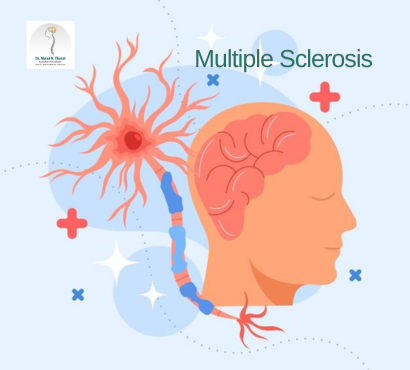
Multiple sclerosis, often called MS, affects the central nervous system and leads to a range of neurological challenges. In India, cases are on the rise, particularly among women in their 20s to 40s, making awareness crucial for timely intervention.
Understanding Multiple Sclerosis
Multiple sclerosis is a chronic autoimmune condition where the immune system mistakenly attacks the protective myelin sheath around nerve fibers in the brain and spinal cord. This damage disrupts communication between the brain and the rest of the body, causing symptoms that vary widely from person to person. The disease often follows a relapsing-remitting pattern in early stages, where symptoms flare up during relapses and then improve.
In India, prevalence has increased due to better diagnostics like MRI availability and more neurologists recognizing the condition. Estimates suggest around 2.3 million cases as of recent data, though underdiagnosis persists in rural areas. Environmental factors like vitamin D deficiency from limited sunlight exposure, combined with genetic predispositions, contribute to higher risks in urban populations.
The exact trigger remains unknown, but a mix of genetics, infections such as Epstein-Barr virus, and lifestyle factors like smoking play roles. Women face nearly three times the risk compared to men, often striking during peak career and family years.
Common Symptoms of MS
Symptoms emerge unpredictably, starting subtly for many. Vision problems top the list, with optic neuritis causing blurred vision, pain on eye movement, or color desaturation in one eye. Numbness or tingling often begins in the limbs, resembling pins and needles that can last days or weeks.
Muscle weakness and spasticity affect walking, leading to balance issues or foot drop. Fatigue hits hard, unrelated to activity levels, and worsens with heat—a phenomenon called Uhthoff’s phenomenon. Bladder urgency, constipation, and cognitive fog like memory lapses round out frequent complaints.
In advanced stages, tremors, speech difficulties, or depression may appear. Indian patients often report heat intolerance exacerbated by the tropical climate, delaying outdoor activities and work. Early symptoms mimic stress or vitamin deficiencies, underscoring the need for neurological evaluation.
Causes and Risk Factors
No single cause explains MS, but immune dysregulation drives the myelin attack. Genetic factors account for about 30% of risk, with over 200 associated genes identified. Environmental triggers include low vitamin D from indoor lifestyles common in Indian cities, Epstein-Barr virus infections, and obesity.
Smoking doubles progression risk, while northern latitudes correlate globally, though India’s varied climates show urban pollution as a local factor. Migrants from high-risk to low-risk areas reduce incidence, pointing to early-life exposures. Females predominate due to hormonal influences on immunity.
In India, delayed diagnosis stems from overlapping symptoms with B12 deficiency or Lyme disease mimics. Rising cases link to westernized diets low in sunlight and high in processed foods.
Diagnosis Process
Diagnosis follows the 2017 McDonald criteria, updated in 2024 for better specificity, requiring evidence of lesions disseminated in space and time via MRI. No single test confirms MS; clinicians rule out mimics like neuromyelitis optica or lupus through blood work, lumbar puncture for oligoclonal bands, and evoked potentials.
MRI scans reveal characteristic white matter plaques, now including optic nerve and central vein signs for earlier detection. Clinically isolated syndrome (CIS), a first episode, warrants monitoring or treatment if high-risk. In India, affordable MRI access has boosted diagnoses, though access lags in tier-2 cities.
Cerebrospinal fluid analysis shows inflammation markers in 85-90% of cases. Early diagnosis via these tools delays disability by years.
Treatment Options
No cure exists, but disease-modifying therapies (DMTs) form the cornerstone, reducing relapses by 30-70%. Injectables like interferons (e.g., Avonex) and glatiramer acetate suit early relapsing-remitting MS (RRMS). Oral options such as dimethyl fumarate and teriflunomide offer convenience, approved in India.
High-efficacy therapies (HETs) like ocrelizumab or natalizumab infusions target aggressive cases, preventing brain atrophy. Acute relapses use high-dose corticosteroids like methylprednisolone for 3-5 days. Symptomatic relief includes muscle relaxants for spasticity, amantadine for fatigue, and modafinil for wakefulness.
Progressive MS lacks strong DMTs, focusing on rehabilitation. In India, costs vary: generics make injectables affordable at ₹10,000-20,000 monthly, while HETs range ₹50,000+. Early DMT initiation yields best outcomes.
Lifestyle Management
Exercise like yoga or swimming combats fatigue and spasticity, tailored to ability. A balanced diet rich in omega-3s, antioxidants, and vitamin D from fortified foods or supplements supports myelin repair. Heat avoidance via cooling vests aids symptom control in India’s summers.
Stress reduction through meditation lowers relapse risk. Physiotherapy maintains mobility, while cognitive therapy sharpens memory. Regular neurologist follow-ups track progression via EDSS scores.
Support groups foster coping; in India, urban chapters provide peer insights. Quitting smoking halves progression speed.
Living with MS in India
Challenges include stigma viewing MS as psychosomatic, plus medicine costs straining middle-class budgets. Government schemes like Ayushman Bharat cover some DMTs, easing access. Women juggle career-family impacts, but remote work trends help.
Awareness campaigns on World MS Day highlight successes: many lead active lives with treatment. Pediatric and pregnancy guidelines ensure safe management. Holistic approaches blending Ayurveda show promise symptomatically, but DMTs remain primary.
Future therapies target remyelination; clinical trials in India expand options. (Word count: 1,852)
FAQ
- Can MS be cured?
No, but DMTs manage it effectively, slowing progression and reducing relapses.
- Is MS hereditary?
Not directly, but genetic factors increase risk if family history exists.
- How common is MS in India?
Rising, with ~2.3 million affected, more in women aged 20-40.