
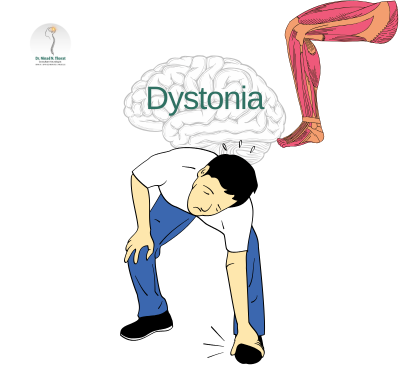
Movement is something most people rarely think about. From writing and walking to speaking and blinking, the body performs thousands of coordinated movements every day without conscious effort. However, for individuals living with dystonia, these everyday actions can become difficult and unpredictable.
Dystonia is a neurological movement disorder characterized by involuntary muscle contractions that cause repetitive movements, abnormal postures, or twisting motions. These contractions can affect a single muscle, a group of muscles, or sometimes the entire body.
Although dystonia may not be as widely recognized as other neurological disorders, it affects people of all ages and can significantly impact daily life. The condition may interfere with activities such as writing, walking, speaking, or maintaining normal posture.
In recent years, research has improved our understanding of dystonia and led to several advances in treatment options. While dystonia cannot always be cured, modern therapies and medical innovations have made it increasingly manageable.
This article explores what dystonia is, why it occurs, how it affects the body, how it is diagnosed, and the latest treatment breakthroughs that are improving the lives of individuals living with this condition.
Understanding Dystonia
Dystonia is a disorder that affects the way the brain controls muscle movements.
Normally, the brain sends carefully coordinated signals to muscles, allowing them to contract and relax in a balanced way. In dystonia, these signals become disrupted. As a result, muscles contract involuntarily and may remain in that contracted state longer than normal.
These abnormal contractions can cause:
- Twisting movements
- Abnormal postures
- Tremors
- Muscle stiffness
- Difficulty performing precise tasks
The severity of dystonia varies from mild to severe. Some individuals may experience occasional muscle spasms, while others may struggle with persistent muscle contractions that affect mobility and daily activities.
Types of Dystonia
Dystonia is classified in several ways depending on the muscles involved and the underlying cause.
Focal Dystonia
Focal dystonia affects a single part of the body.
Common examples include:
- Neck (cervical dystonia)
- Eyelids (blepharospasm)
- Hands or fingers (writer’s cramp)
This is one of the most common forms of dystonia.
Segmental Dystonia
Segmental dystonia affects two or more neighboring body regions. For example, the neck and shoulders may be involved together.
Generalized Dystonia
In generalized dystonia, multiple parts of the body are affected, sometimes including the trunk and legs. This form is more commonly seen in younger individuals.
Task-Specific Dystonia
This form occurs only during certain activities.
Examples include:
- Writer’s cramp during writing
- Musician’s dystonia during instrument performance
The muscles behave normally during other tasks.
Secondary Dystonia
Secondary dystonia develops as a result of another underlying condition, such as brain injury, infection, medication side effects, or neurological disorders.
What Causes Dystonia?
The exact cause of dystonia is not always clear. However, scientists believe that it involves dysfunction in specific brain regions responsible for movement control.
The basal ganglia, a group of structures deep inside the brain, play a crucial role in coordinating muscle activity. When signals within this system become disrupted, abnormal muscle contractions can occur.
Several factors may contribute to the development of dystonia.
Genetic Factors
Some forms of dystonia are inherited. Certain genetic mutations may alter the way nerve cells communicate, affecting muscle control.
Genetic dystonia often appears during childhood or adolescence.
Brain Injury or Trauma
Damage to the brain caused by injury, stroke, or oxygen deprivation may disrupt movement control pathways.
Medication Effects
Certain medications, particularly those affecting dopamine signaling in the brain, may trigger dystonic reactions.
Neurological Disorders
Dystonia may occur alongside other neurological conditions that affect movement control.
Environmental Factors
Although less common, environmental exposures or infections affecting the nervous system may also contribute to dystonia.
Symptoms of Dystonia
Symptoms of dystonia vary widely depending on which muscles are involved.
Common signs include:
Involuntary Muscle Contractions
Muscles contract without voluntary control, often repeatedly.
Abnormal Postures
Affected body parts may twist or bend into unusual positions.
Tremors
Some individuals experience shaking movements similar to tremors.
Muscle Pain or Fatigue
Continuous muscle contractions may lead to discomfort or fatigue.
Worsening With Activity
Symptoms often become more noticeable during voluntary movement or stress.
Improvement During Rest
In some cases, symptoms may reduce when the body is relaxed or sleeping.
How Dystonia Is Diagnosed
Diagnosing dystonia requires a detailed evaluation of symptoms and medical history.
Because dystonia symptoms may resemble other movement disorders, accurate diagnosis is important for proper treatment.
Doctors typically assess:
- Symptom patterns
- Duration and progression
- Family history
- Neurological examination findings
Additional tests may include imaging or laboratory tests to rule out other neurological conditions.
How Dystonia Affects Daily Life
Dystonia can influence many aspects of everyday living depending on its severity and location.
Challenges may include:
- Difficulty writing or typing
- Problems with walking or balance
- Speech difficulties
- Eye closure affecting vision
- Social discomfort due to visible muscle movements
Living with dystonia can also lead to emotional stress, frustration, and reduced confidence.
Support and proper treatment play an important role in improving quality of life.
Treatment Options for Dystonia
Although dystonia cannot always be completely cured, several treatments can help control symptoms and improve daily functioning.
Treatment plans are typically individualized based on the type and severity of dystonia.
Medications
Certain medications help regulate abnormal muscle activity by influencing neurotransmitters in the brain.
These medications may reduce muscle spasms and improve movement control.
Botulinum Toxin Injections
Botulinum toxin injections are widely used to treat focal dystonia.
These injections temporarily weaken overactive muscles, reducing involuntary contractions and improving posture or movement.
The effects typically last several months and may require repeat treatments.
Physical Therapy
Physical therapy plays an important role in managing dystonia.
Therapeutic exercises may help:
- Improve flexibility
- Reduce muscle stiffness
- Enhance posture
- Strengthen unaffected muscles
Stretching and relaxation techniques may also help relieve muscle tension.
Occupational Therapy
Occupational therapy focuses on helping individuals perform daily tasks more comfortably.
Therapists may recommend adaptive techniques or tools that make activities such as writing, eating, or working easier.
Deep Brain Stimulation (DBS)
Deep brain stimulation is one of the most significant breakthroughs in dystonia treatment.
This procedure involves implanting a small device that sends electrical signals to specific brain areas involved in movement control.
These signals help regulate abnormal brain activity and reduce muscle contractions.
For some patients with severe dystonia, DBS can significantly improve symptoms and quality of life.
Emerging Treatment Breakthroughs
Recent research has led to several promising developments in dystonia treatment.
Advances in Brain Imaging
Improved brain imaging technologies are helping researchers better understand how dystonia affects neural circuits.
This knowledge may lead to more targeted therapies in the future.
Gene Research
Scientists are studying genetic mutations associated with dystonia to develop new treatment strategies that address the root causes of the condition.
Neuromodulation Techniques
Innovative techniques that modify nerve signaling pathways are being explored to improve symptom control.
Personalized Treatment Approaches
Advances in neurological research are enabling more personalized treatment strategies based on individual patient characteristics.
Lifestyle Strategies for Managing Dystonia
In addition to medical treatment, lifestyle adjustments may help individuals manage symptoms more effectively.
Helpful strategies include:
Stress Management
Stress may worsen muscle contractions. Relaxation techniques such as meditation and breathing exercises can help reduce symptom severity.
Regular Physical Activity
Gentle exercise may help maintain muscle flexibility and overall mobility.
Adequate Sleep
Quality sleep supports nervous system function and overall health.
Emotional Support
Support from family, friends, or counseling professionals can help individuals cope with the emotional impact of chronic movement disorders.
Living With Dystonia
Although dystonia can be challenging, many individuals successfully manage the condition with the right combination of treatment, therapy, and lifestyle adjustments.
Support networks, awareness, and continued medical advancements are helping people with dystonia maintain active and fulfilling lives.
Ongoing research continues to improve treatment options and deepen our understanding of this complex neurological disorder.
Dystonia is a neurological movement disorder characterized by involuntary muscle contractions that cause abnormal movements or postures. While the condition may significantly affect daily activities, advances in medical research and treatment have greatly improved the ability to manage symptoms.
Modern therapies—including medications, physical therapy, botulinum toxin injections, and deep brain stimulation—provide meaningful relief for many individuals living with dystonia.
As research continues to uncover the underlying mechanisms of this disorder, new treatment breakthroughs offer hope for even more effective therapies in the future.
With proper care, support, and medical guidance, individuals with dystonia can lead productive lives while managing their symptoms successfully.
FAQs
1. Is dystonia a permanent condition?
Dystonia is usually a long-term neurological condition. However, treatments can significantly reduce symptoms and improve quality of life.
2. Can stress make dystonia worse?
Yes, stress and fatigue may increase the severity of muscle contractions in some individuals with dystonia.
3. What is the most effective treatment for dystonia?
Treatment depends on the type of dystonia, but options such as medications, botulinum toxin injections, physical therapy, and deep brain stimulation are commonly used.