
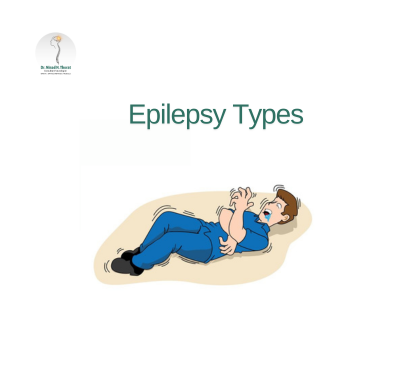
When most parents hear the word seizure, they imagine a child falling down, shaking violently, and becoming completely unresponsive. That image is common, but it tells only part of the story. In real life, seizures in children can look very different. Some are dramatic and obvious. Others are so subtle that they get mistaken for daydreaming, stubbornness, poor attention, school stress, or “just a strange habit.” A child may simply stare, stop responding, make repetitive mouth movements, suddenly drop an object, or become confused for a short time. Because these episodes do not always fit the expected picture, many families do not recognize them early.
Epilepsy itself is not a single disease with one fixed pattern. It is a condition in which a child has repeated seizures due to abnormal electrical activity in the brain. The seizure type depends on where in the brain the activity begins and how it spreads. That is why one child may have brief blank spells, another may have jerking of one arm, and another may have a full-body convulsion. Two children can both have epilepsy and still look completely different during an episode.
For Indian parents, this topic is especially important because delay in recognition is common. A child who keeps staring in class may be labelled inattentive. A school may not understand seizure first aid. A family may assume the child was frightened, weak, or emotionally sensitive. In some homes, stigma makes parents hide symptoms rather than seek evaluation. That delay can affect school performance, safety, confidence, and overall quality of life.
The good news is that many forms of childhood epilepsy can be understood well and managed effectively when they are identified early. The first step is awareness — not panic, but awareness. Parents do not need to memorize every epilepsy syndrome. They do need to recognize that seizures in children are not always dramatic, not always the same, and not something a child can simply “control” by trying harder.
This blog explains the major epilepsy types seen in children, how different seizures look in everyday life, how febrile seizures differ from epilepsy, what first aid parents should know, and when a child needs proper neurological assessment.
What is epilepsy in children?
Epilepsy means the brain is having repeated seizures that are not explained only by a one-time fever or a temporary isolated cause. A seizure happens when there is a sudden burst of abnormal electrical activity in the brain. That abnormal activity can affect:
- movement,
- awareness,
- behavior,
- sensation,
- speech,
- memory,
- or body tone.
Children may have epilepsy for many different reasons. Some have a genetic tendency. Some have structural brain causes. Some have developmental or metabolic conditions. In many children, parents focus first on the event itself rather than the cause — and that is understandable. But the type of seizure gives doctors important clues about what kind of epilepsy may be present and how it should be managed.
Why seizure types matter
Knowing the seizure type helps with:
- diagnosis,
- treatment planning,
- school safety,
- daily precautions,
- and predicting how the condition may behave over time.
Parents often ask, “Was that really a seizure?” That is the right question to begin with. But the next important question is, “What kind of seizure was it?” Because treatment and expectations are different for a child with brief absence episodes compared to a child with focal seizures or generalized tonic-clonic seizures.
Main seizure groups in children
At a basic level, seizures are often understood in two broad groups:
1. Focal seizures
These start in one part of the brain. Symptoms may affect only one side of the body or begin with unusual sensations, staring, or altered awareness.
2. Generalized seizures
These involve both sides of the brain from the start. They may affect awareness immediately and can involve staring, stiffening, jerking, or sudden loss of muscle tone.
This broad classification helps parents understand why seizures can look so different.
Focal seizures in children
Focal seizures begin in one specific area of the brain. Because the brain controls different functions in different regions, the symptoms vary depending on where the seizure starts.
A child with a focal seizure may:
- stare,
- stop responding,
- have jerking in one arm or one side of the face,
- feel a strange sensation,
- suddenly seem frightened,
- make chewing or lip movements,
- fumble with clothing,
- become confused after the episode.
Some focal seizures happen with awareness preserved. In that case, the child may remember the event or describe unusual feelings. Others affect awareness, and the child may not respond normally during the episode.
Focal aware seizures
In focal aware seizures, the child remains aware of what is happening. They may be able to describe:
- tingling,
- a funny smell,
- a strange feeling in the stomach,
- visual distortion,
- fear,
- or jerking in one limb.
These can be hard to identify in younger children because they may not have the language to describe the sensation. They may simply say something “felt funny” or cry suddenly.
Focal impaired awareness seizures
These are especially easy to miss. The child may:
- stare,
- not respond properly,
- look confused,
- make repeated movements like lip smacking,
- pick at clothes,
- seem “absent” for a short time,
- feel tired afterward.
Teachers often describe these children as distracted or daydreaming, especially when the episodes are brief and repetitive. But when the same pattern happens again and again, seizure evaluation becomes important.
Parents noticing repeated staring episodes, unusual pauses, unexplained confusion, or recurrent events that look more than ordinary distraction may benefit from early review with a
when a child’s symptoms need proper seizure assessment.
Generalized seizures in children
Generalized seizures affect both sides of the brain from the beginning. These are often easier to recognize, but even here the appearance can vary widely.
Common generalized seizure patterns include:
- tonic-clonic seizures,
- absence seizures,
- myoclonic seizures,
- atonic seizures.
Each has a different presentation and different day-to-day impact.
Tonic-clonic seizures
This is the seizure type most people imagine first. The child may:
- lose consciousness,
- become stiff,
- fall,
- develop rhythmic jerking,
- clench the jaw,
- become tired afterward.
This type is usually obvious and frightening for parents. After the event, the child may be sleepy, confused, or weak. Not every seizure in a child is tonic-clonic, but families recognize this type more easily because it is more dramatic.
Absence seizures
Absence seizures are among the easiest to miss. A child may:
- stop what they are doing,
- stare blankly,
- blink rapidly,
- not respond for a few seconds,
- then continue as if nothing happened.
Because the episodes are brief, they are often mistaken for inattention. A child may have many such events in a day, affecting learning and classroom participation without anyone realizing why. This is one reason school reports like “not focusing,” “seems lost,” or “misses instructions” should sometimes be examined more carefully.
Myoclonic seizures
These involve sudden brief jerks. Parents may notice:
- quick arm jerks,
- objects slipping from the child’s hand,
- sudden body jolts,
- repeated early-morning jerks.
These can be subtle at first and may be mistaken for clumsiness.
Atonic seizures
In atonic seizures, muscle tone suddenly drops. The child may:
- nod the head suddenly,
- drop to the ground,
- lose posture briefly,
- or seem to buckle without warning.
These can cause injury because the loss of tone is sudden.
Febrile seizures: are they epilepsy?
Many parents panic after a seizure during fever. A febrile seizure is a seizure triggered by fever, usually in young children. This does not automatically mean the child has epilepsy.
That distinction matters. Febrile seizures are relatively common in early childhood. They can be frightening, but many children who have a febrile seizure do not go on to develop epilepsy. Still, the child should be properly assessed, especially if:
- the seizure is prolonged,
- the seizure is unusual,
- there are repeated events,
- the child has developmental concerns,
- or the family is unsure what happened.
Parents should not self-label every fever seizure as epilepsy, but they also should not ignore it.
Infantile spasms and other early childhood patterns
Some seizure patterns in babies and very young children look very different from school-age seizures. A baby may have repeated sudden stiffening, bending, or clustered jerk-like movements. Parents sometimes think it is colic, startle, or reflux. Very early seizure patterns need prompt expert evaluation because timely recognition matters greatly for development.
How seizures may appear in daily life
Parents often recognize seizures only after they stop imagining textbook scenes and start watching real behavior patterns. A child with seizures may:
- pause during play,
- drop a spoon repeatedly,
- seem to stare in class,
- stop responding mid-conversation,
- have unexplained falls,
- show repeated “odd spells,”
- look confused for a short time,
- sleep heavily after certain episodes.
The key is repetition and similarity. If the same kind of episode happens again and again, it deserves attention.
Common triggers that can worsen seizures
Not all seizures have obvious triggers, but some factors can increase the chance of episodes in vulnerable children:
- poor sleep,
- missed medicines,
- fever,
- stress,
- flashing lights in some children,
- overstimulation,
- skipped meals,
- puberty-related changes in certain cases.
Families often focus only on medicine and forget routine triggers. Good sleep, regular meals, and consistent medicine timing can make a meaningful difference in many children.
How epilepsy affects school life
Childhood epilepsy is not only about the seizure event. It can affect:
- concentration,
- memory,
- confidence,
- school participation,
- social interaction,
- sports confidence,
- and emotional wellbeing.
A child with frequent brief seizures may miss pieces of teaching many times a day. That can look like poor academic ability when the real issue is interrupted attention from seizure activity. Teachers should be informed, but in a sensitive and practical manner.
First aid every parent should know
Seizure first aid should be simple and calm.
If a child has a convulsive seizure:
- keep the child safe from hard or sharp objects,
- place them on their side when possible,
- do not put anything in the mouth,
- do not try to forcefully hold movements,
- note the duration,
- loosen tight clothing around the neck,
- allow recovery in a quiet space.
During brief staring or focal episodes:
- stay near the child,
- observe carefully,
- note the timing,
- do not shout or panic,
- note whether the child responds,
- observe what happens afterward.
Many families make the mistake of trying to open the mouth, put water in, or crowd around the child. Those actions can create more risk.
When is a seizure an emergency?
Emergency care is especially important if:
- the seizure lasts too long,
- repeated seizures happen without recovery,
- the child is injured,
- breathing seems difficult,
- it is the first known seizure,
- recovery is unusually delayed,
- the seizure happens in water,
- or the child has a prolonged fever-related event.
Even if the child recovers, a first seizure should still be properly evaluated.
Families looking for expert guidance when a child has recurrent staring spells, unusual movements, or suspected epilepsy may consider consultation with a
Brain Specialist Doctor In Nashik
for a more structured review of seizure type, safety planning, and long-term management.
How doctors evaluate epilepsy in children
The evaluation usually begins with a detailed story:
- what exactly happened,
- how long it lasted,
- what the child was doing before it started,
- whether there was fever,
- whether awareness changed,
- whether movements were focal or generalized,
- what happened after the event.
Video recordings, when safely available, can be very useful. Doctors may also advise:
- neurological examination,
- EEG,
- brain imaging in selected cases,
- developmental assessment,
- and other tests depending on the child’s age and clinical picture.
Why diagnosis gets delayed
Diagnosis is often delayed because:
- subtle seizures look like daydreaming,
- school feedback may be misread,
- stigma makes families hesitant,
- parents expect all seizures to involve falling and shaking,
- brief episodes are forgotten quickly,
- older children feel embarrassed describing them.
This is why parent observation matters so much. Even if a child cannot explain well, the pattern is often visible over time.
Supporting a child emotionally
Children with epilepsy need safety, but they also need dignity. Overprotection can become a problem if it makes the child feel fragile or different all the time. Parents should aim for a balanced approach:
- follow safety guidance,
- ensure medicine routine,
- support normal schooling,
- talk openly without fear language,
- avoid blame,
- and help the child feel understood rather than “broken.”
Some children fear having an episode in front of classmates. Others worry they will not be allowed to play. Honest, practical reassurance matters.
Lifestyle guidance for parents
Helpful daily steps include:
- medicine timing without missed doses,
- regular sleep schedule,
- regular meals,
- hydration,
- reduced late-night screen use,
- teacher awareness when needed,
- emergency contact planning,
- seizure diary maintenance.
Pattern tracking helps more than families realize. The more clearly episodes are described, the faster the correct seizure type can be identified.
Parents wanting to better understand childhood neurological symptoms, seizure patterns, and practical home awareness can also explore patient-friendly articles under
to improve early recognition and ongoing care routines.
When should you see a neurologist?
Please seek neurological evaluation if:
- your child has had a first seizure,
- repeated staring spells are happening,
- there are sudden jerks or unexplained drops,
- your child seems confused after episodes,
- school reports repeated “blanking out,”
- unusual spells are recurring,
- fever-related seizures seem atypical,
- or there are developmental concerns along with seizures.
Early consultation helps reduce uncertainty, improves diagnosis, and supports better treatment planning.
Conclusion
Epilepsy in children is not one condition with one appearance. Some children have full-body convulsions. Some have subtle staring spells. Some have focal episodes with odd movements or brief confusion. Some have sudden jerks or falls. This variety is exactly why awareness matters. A child does not need to collapse dramatically for a seizure to be real.
The most useful approach for parents is observation without panic. Notice patterns. Notice repeated episodes. Notice what teachers report. Notice whether your child is “not responding” or simply “not paying attention.” The earlier seizures are recognized, the sooner children can receive the right evaluation, safer routines, and more confident support at home and school.
Epilepsy can feel frightening at first, especially when parents do not know what they are seeing. But understanding changes everything. Once the seizure type becomes clearer, families can move from fear to action. That shift is often the beginning of better safety, better learning, and better quality of life for the child.
FAQs
1. Are all staring spells in children seizures?
No. Some children daydream or lose focus normally. But repeated brief staring spells with poor response and a sudden return to activity may need seizure evaluation.
2. Is a febrile seizure the same as epilepsy?
No. A febrile seizure is triggered by fever and does not automatically mean a child has epilepsy, though proper assessment is still important.
3. What should I do during my child’s seizure?
Keep the child safe, place them on their side if possible, do not put anything in the mouth, do not hold them down forcefully, and note how long the seizure lasts.