
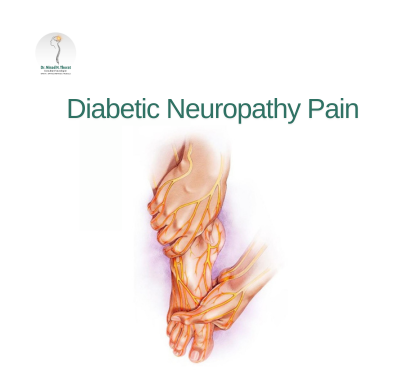
Diabetes is often discussed in terms of sugar levels, diet control, medicine timing, and blood tests. But one of its most troubling long-term effects is something many patients do not fully understand until it begins to affect daily life — nerve damage. A person may first notice burning in the feet at night, tingling in the toes, a strange numbness in the fingers, or pain that feels sharp, electric, or unusually sensitive. What starts as a mild sensation can slowly become a bigger problem that interferes with sleep, walking, grip, balance, and confidence. This is the reality of diabetic neuropathy.
Diabetic neuropathy means nerve damage caused by diabetes. It happens gradually, often after years of high blood sugar, but it can begin quietly enough that people ignore it. Many patients think the problem is circulation, body weakness, age, or “just heat in the feet.” Others assume numbness is not serious because it is not painful. In fact, both pain and numbness matter. A painful foot can disturb sleep, while a numb foot can hide injuries until they become infected. That is why diabetic neuropathy is not only a pain issue — it is also a safety issue. In India, this topic matters even more because diabetes is so common, and many people continue for years with fluctuating sugars, delayed diagnosis, irregular follow-up, or incomplete lifestyle control. Patients often focus on fasting sugar and post-meal numbers but miss the silent effects on nerves. Long-standing diabetes, poor blood sugar control, smoking, nutritional deficiency, obesity, and other metabolic stressors increase the risk of nerve damage over time.
The problem is not limited to the feet alone. Although diabetic nerve damage often starts in the toes and feet, it can move upward, affect balance, disturb sleep, and later involve the hands too. Some patients feel burning. Some feel pins and needles. Some feel reduced sensation. Some develop weakness. Others describe the odd experience of having pain and numbness together.
This blog explains how diabetic neuropathy develops, what diabetic nerve pain feels like, which symptoms act as early warning signs, how the condition progresses, what complications patients should understand, and why early attention can help reduce long-term damage.
What is diabetic neuropathy?
Diabetic neuropathy is nerve damage caused by diabetes. Over time, high blood sugar can injure nerves and the small blood vessels that support them. When this happens, nerve signals become disturbed. As a result, patients may develop:
- tingling,
- burning,
- numbness,
- pain,
- unusual sensitivity,
- weakness,
- or loss of sensation.
Although several types of diabetic neuropathy exist, the most commonly discussed form affects the peripheral nerves, especially in the feet and legs first. Over time, symptoms may move upward and in some patients may affect the hands as well.
Why diabetes damages nerves
To understand diabetic neuropathy pain, it helps to understand what diabetes does to the body over time. Persistently high sugar does not just stay in the blood. It affects tissues, blood vessels, and nerves in a slow but damaging way. Nerves need a healthy environment and steady nourishment to work properly. When blood sugar remains high over long periods, the nerve fibers and their blood supply can become impaired.
This means the nerve may:
- send the wrong signals,
- send too many pain signals,
- fail to transmit sensation properly,
- or gradually stop working as it should.
That is why diabetic neuropathy can cause both pain and numbness. It is not a contradiction. It is simply two different ways damaged nerves can behave.
What diabetic nerve pain feels like
Patients describe diabetic neuropathy in many ways:
- burning feet,
- pins and needles,
- stabbing pain,
- electric shock sensation,
- crawling feeling,
- extreme sensitivity to touch,
- numbness,
- dead feeling in the toes,
- pain worse at night.
Some patients say bedsheets feel irritating on the feet. Others say they can walk, but the feet do not “feel normal.” Some notice symptoms only at bedtime when the body becomes quiet and every nerve sensation feels stronger. Night discomfort is a very common complaint.
Why symptoms often start in the feet
Diabetic neuropathy usually begins in the feet because the longest nerves in the body are often affected first. That is why the pattern commonly starts in the toes and gradually moves upward. Doctors often describe it as a “stocking” pattern because it affects the feet and lower legs in a distribution similar to where stockings would sit. Later, if the neuropathy progresses enough, the hands may also become involved, creating a “stocking-glove” pattern. This gradual spread is one reason people delay care. The change is often slow, and the patient adapts to it. By the time symptoms become severe, the nerve damage may already be established.
Early warning signs patients often ignore
Diabetic Neuropathy Pain: Nerve Damage Explained begins with understanding the subtle signs that many people dismiss. Common early warnings include:
- tingling in toes,
- burning soles at night,
- numbness in the feet,
- pain while resting,
- unusual foot sensitivity,
- feeling like socks are bunched up when they are not,
- slight balance changes,
- occasional tingling in fingers,
- reduced awareness of temperature.
Many patients do not seek help at this stage because they are still able to walk and manage basic tasks. But early recognition matters because the condition may be more manageable before complications build.
Pain and numbness can happen together
One of the most confusing parts of diabetic neuropathy is that some areas may feel painful while other areas feel numb. A patient may ask, “How can I have both burning pain and reduced feeling?” The answer is that damaged nerves do not behave in a consistent or simple way. Some nerve fibers become overactive and painful. Others stop transmitting normal sensation well.
That is why one person may complain of:
- burning pain at night,
- numb toes in the day,
- tingling in the feet,
- and reduced awareness of a small cut.
All of this can happen in the same condition.
Why nighttime symptoms are so common
Many people with diabetic neuropathy report that symptoms worsen at night. There are a few practical reasons this becomes more noticeable:
- fewer distractions make sensations more obvious,
- body position changes can alter awareness,
- resting nerves can feel more uncomfortable,
- the mind notices symptoms more in silence.
Night pain matters because poor sleep creates another layer of suffering. A person may already be trying to manage diabetes, work responsibilities, and food restrictions. Add repeated sleep disruption from burning feet, and the overall quality of life can decline sharply.
Common symptoms beyond pain
Not all diabetic neuropathy symptoms are painful. Important signs also include:
- numbness,
- tingling,
- reduced touch sensation,
- weakness,
- poor balance,
- foot injuries not felt properly,
- altered temperature sensation,
- feeling unsteady while walking.
This matters because numbness can be just as dangerous as pain. A foot that does not feel properly may not detect pressure, injury, heat, or a developing wound. People with diabetes, burning feet, numbness, tingling, or unexplained sensory changes may need focused evaluation from a Neurologist In Nashik when diabetic nerve injury, mixed neuropathy, or overlapping neurological symptoms are becoming harder to ignore.
When the hands become involved
Although diabetic neuropathy often starts in the feet, the hands may also become symptomatic as the condition progresses. A person may notice:
- tingling in fingers,
- reduced grip confidence,
- numbness in the hands,
- dropping things,
- altered fine hand sensation.
At that stage, daily functioning can be affected more visibly. Writing, buttoning clothes, using utensils, handling coins, and working with small objects may become more difficult.
Why diabetic neuropathy is more than discomfort
Patients often think the main problem is pain. But diabetic neuropathy can lead to much more than discomfort. Possible complications include:
- foot ulcers,
- unnoticed cuts or burns,
- balance-related falls,
- walking difficulty,
- reduced independence,
- sleep problems,
- anxiety around movement,
- chronic pain burden.
That is why foot care becomes essential in diabetes. A person with reduced sensation may continue walking on an injury without realizing the damage is worsening.
The difference between neuropathy pain and muscle pain
This distinction helps patients understand their symptoms. Muscle pain is often sore, cramp-like, or related to movement and strain. Nerve pain is more often described as:
- burning,
- shooting,
- electric,
- prickling,
- or unusually sensitive.
It may happen even at rest and often feels disproportionate to visible findings. That is one reason patients sometimes feel frustrated — the feet look normal, but the sensations feel very real and very disturbing.
Who is at higher risk?
Risk increases with:
- long-standing diabetes,
- poor blood sugar control,
- smoking,
- obesity,
- high triglycerides,
- sedentary lifestyle,
- nutritional deficiency,
- inconsistent follow-up,
- and sometimes older age.
This does not mean only elderly patients get diabetic neuropathy. Younger adults with poorly controlled diabetes can also develop nerve damage, especially if sugar control has been unstable for years.
Can prediabetes cause nerve symptoms?
In some patients, early metabolic problems may contribute to nerve symptoms even before long-standing diabetes is formally recognized. That is one reason persistent tingling, burning, or numbness should not always be brushed aside. Sugar-related nerve stress can begin earlier than many patients expect.
Why Indian patients often miss the diagnosis
Common reasons include:
- assuming it is due to age,
- calling it “weakness in nerves,”
- blaming vitamin deficiency alone,
- tolerating pain for too long,
- focusing only on fasting sugar,
- not checking feet regularly,
- taking pain tablets without proper evaluation.
Many people do not connect burning feet with diabetes until the symptom becomes severe. Others think numbness is harmless because it hurts less than burning. In reality, numbness may be even more dangerous from a foot safety perspective.
What doctors look for during evaluation
Doctors usually assess:
- the pattern of symptoms,
- whether feet or hands are involved,
- whether there is pain, numbness, or weakness,
- balance changes,
- sensory loss,
- reflexes,
- sugar control history,
- and possible overlap with vitamin deficiency or other causes.
Some patients may also need tests such as:
- HbA1c,
- vitamin B12,
- nerve conduction studies,
- thyroid or kidney-related evaluation in selected cases.
This matters because not every nerve symptom in a person with diabetes is automatically diabetic neuropathy. Sometimes multiple causes overlap.
Can diabetic neuropathy be reversed?
This is one of the most common questions. In many patients, the goal is not a complete reversal but better control, symptom reduction, slower progression, and prevention of complications. Early cases may improve more than long-standing advanced cases, especially when sugar control improves and other contributing factors are addressed.
The practical message is simple: the earlier it is recognized, the better the chance of reducing worsening.
Daily habits that matter a lot
Patients often underestimate the power of routine in diabetic neuropathy care. Helpful daily habits include:
- consistent sugar control,
- regular medicine timing,
- foot inspection,
- proper footwear,
- avoiding barefoot walking,
- keeping the skin healthy,
- reporting cuts or blisters early,
- staying active within safe limits,
- avoiding tobacco.
These habits may not feel dramatic, but they strongly influence long-term outcomes.
Foot care is not optional
A person with diabetic neuropathy should inspect the feet regularly. Look for:
- cuts,
- cracks,
- blisters,
- color change,
- swelling,
- nail issues,
- pressure points,
- areas that feel unusually hot or cold.
Why is this important? Because a foot that does not feel properly may not alert the patient to injury. A small problem can quietly become a larger wound.
Patients trying to understand nerve symptoms, diabetic sensory changes, burning pain, and overlapping neurological complaints can also explore patient-awareness topics under Neurology Care to better recognize when symptoms need timely evaluation.
What should patients avoid?
Please avoid:
- walking barefoot,
- ignoring foot numbness,
- assuming pain alone is the issue,
- waiting until a wound appears,
- relying only on home remedies,
- using very hot water bottles or heat pads on numb feet,
- taking pain medicines repeatedly without proper review.
Loss of temperature sensation can make heat injury more likely, which is why caution with hot water and heating pads matters.
When should you see a neurologist?
Please consider specialist evaluation if:
- burning pain is disturbing sleep,
- numbness is progressing,
- both feet and hands are involved,
- balance feels affected,
- there is weakness,
- symptoms are increasing despite sugar treatment,
- diagnosis is unclear,
- or other neurological symptoms are present.
For patients dealing with burning feet, tingling, numbness, poor balance, or nerve pain that is spreading beyond a simple diabetes explanation, consultation with a Brain Specialist Doctor In Nashik can help assess whether the pattern fits diabetic neuropathy alone or a more complex nerve condition.
Conclusion
Diabetic neuropathy is one of the most important and most misunderstood complications of diabetes. It does not begin dramatically in most people. It usually starts quietly — tingling, burning, numbness, strange sensitivity, discomfort at night. Because it builds slowly, patients often live with it longer than they should. That delay can lead to more pain, worse sleep, reduced balance, and serious foot complications.
The key idea is that nerve damage is not only about pain. It is also about sensation, safety, and function. A foot that burns is suffering. A foot that cannot feel is vulnerable. Both need attention. Understanding that difference helps patients take symptoms seriously before complications appear.
The most useful response is early action, not fear. Better sugar control, careful foot care, proper evaluation, and timely treatment can make a meaningful difference. When patients stop calling it “just tingling” and start seeing it as a diabetic nerve warning, the path to better protection becomes clearer.
FAQs
1. What does diabetic nerve pain feel like?
It may feel like burning, tingling, pins and needles, stabbing pain, numbness, or unusual sensitivity, often worse at night.
2. Does diabetic neuropathy affect only the feet?
It often starts in the feet, but it can progress upward and may later affect the hands as well.
3. Can diabetic neuropathy happen even if I am still walking normally?
Yes. Early diabetic neuropathy may begin with mild tingling, burning, or numbness long before severe walking problems develop.