Dr Ninad Thorat

Author: event

event

Alzheimer’s Disease: Causes, Symptoms, and Current Treatments

Alzheimer’s disease is one of the most common forms of dementia, affecting millions of people worldwide, including a growing population in India. It is a progressive brain disorder that gradually destroys memory, thinking ability, and the capacity to carry out daily activities. With India’s ageing population increasing rapidly, Alzheimer’s is emerging as a major health challenge that not only affects patients but also places significant emotional and financial stress on families. we will explore the causes, symptoms, and available treatment options for Alzheimer’s disease, while also highlighting ways to manage and support individuals living with this condition. What is Alzheimer’s Disease? Alzheimer’s disease is a neurological condition that leads to the degeneration of brain cells. Over time, it causes memory loss, confusion, and difficulty performing basic daily tasks. Unlike normal age-related forgetfulness, Alzheimer’s symptoms progress and interfere with a person’s ability to live independently. It usually starts slowly, with mild memory problems, but eventually leads to severe impairment. According to medical studies, Alzheimer’s accounts for 60–70% of all dementia cases worldwide. Causes of Alzheimer’s Disease The exact cause of Alzheimer’s is still not fully understood, but researchers have identified several factors that contribute to its development: 1. Genetic Factors Family history plays an important role. Certain genes, such as the APOE-e4 gene, are linked to a higher risk of developing Alzheimer’s. 2. Abnormal Protein Deposits Alzheimer’s brains typically show amyloid plaques and tau tangles, which disrupt communication between nerve cells. This leads to cell death and brain shrinkage. 3. Age Age is the biggest risk factor. Most patients are over 65, but early-onset Alzheimer’s can occur before this age. 4. Lifestyle & Environmental Factors Lack of exercise, poor diet, smoking, and chronic conditions like diabetes, hypertension, and obesity can increase risk. 5. Brain Health and Trauma Previous head injuries or strokes may contribute to higher chances of Alzheimer’s. Symptoms of Alzheimer’s Disease Symptoms vary depending on the stage of the disease. Early Stage Symptoms Forgetting recent events or conversations. Difficulty remembering names of familiar people or places. Misplacing objects frequently. Trouble planning or problem-solving. Moderate Stage Symptoms Increasing confusion about time and place. Trouble managing finances, cooking, or driving. Difficulty recognizing friends and family. Personality changes such as irritability, anxiety, or depression. Severe Stage Symptoms Loss of ability to communicate. Dependence on others for personal care. Severe memory loss, even forgetting close family members. Difficulty walking, swallowing, and controlling bodily functions. Current Treatments for Alzheimer’s Disease While there is no cure for Alzheimer’s yet, treatments can slow progression, manage symptoms, and improve quality of life. 1. Medications Cholinesterase inhibitors (Donepezil, Rivastigmine, Galantamine) – improve memory and cognitive function. Memantine – helps regulate brain chemicals for better memory and learning. Antidepressants or antipsychotics – may be prescribed to manage mood changes, agitation, or sleep problems. 2. Lifestyle Modifications Balanced diet rich in fruits, vegetables, omega-3, and whole grains. Regular physical activity to improve blood flow to the brain. Cognitive exercises like puzzles, reading, or memory games. Social interaction to reduce isolation and depression. 3. Supportive Care Creating a safe and comfortable environment at home. Use of reminders, labels, and structured routines to help with daily tasks. Support groups for caregivers and families to manage stress. 4. New and Emerging Therapies Research on immunotherapy and monoclonal antibodies is ongoing. Certain new drugs are showing promise in slowing the buildup of harmful proteins in the brain. Alzheimer’s Disease in India India has one of the fastest-growing populations of senior citizens. According to estimates, over 5 million Indians are currently living with dementia, and Alzheimer’s accounts for a major share of these cases. Challenges in India include: Lack of awareness about early symptoms. Social stigma around memory loss. Limited access to specialized dementia care centers. High caregiver stress due to joint family breakdown and urban migration. Awareness and timely screening can help improve diagnosis and care. Prevention of Alzheimer’s Disease While Alzheimer’s cannot always be prevented, certain lifestyle changes can reduce risk: Stay physically active – at least 30 minutes of exercise daily. Eat a balanced diet – include leafy greens, nuts, whole grains, and avoid excessive sugar and processed foods. Keep the mind engaged – read, learn new skills, or play memory games. Maintain social connections – avoid isolation. Manage health conditions like diabetes, high blood pressure, and obesity. Avoid smoking and excessive alcohol consumption. FAQs 1. Is Alzheimer’s the same as normal ageing? No. Normal ageing may cause occasional forgetfulness, but Alzheimer’s involves progressive memory loss and difficulty performing daily activities. 2. Can Alzheimer’s be cured? Currently, there is no cure. Treatments aim to slow progression and manage symptoms, but research is ongoing to find more effective therapies. 3. At what age should I start worrying about Alzheimer’s? While most cases occur after age 65, early-onset Alzheimer’s can begin as early as 40–50. If you or a loved one notices persistent memory problems, consult a neurologist.

Alzheimer’s Disease: Causes, Symptoms, and Current Treatments Read More »

Surgical Options for Neurological Disorders: What to Expect

Neurological disorders — such as brain tumors, epilepsy, Parkinson’s disease, and spinal cord problems — can be life-changing. They affect the brain, spinal cord, and nervous system, leading to symptoms that range from headaches and seizures to difficulty walking or speaking. While many neurological conditions can be managed with medication and therapy, in some cases, surgery is the best or only option to improve quality of life. For most people, the idea of brain or spine surgery sounds overwhelming. Images of complex machines, operating rooms, and long recovery times come to mind. However, medical science has advanced tremendously in the last two decades, making many neurological surgeries safer, more precise, and less invasive. why surgery is sometimes needed, the different surgical techniques available, what to expect before and after surgery, and how these procedures are changing lives. Why Surgery Might Be Needed for Neurological Disorders Surgery for neurological conditions is typically recommended when: Medications no longer control symptoms For example, people with drug-resistant epilepsy may benefit from surgery to remove the part of the brain causing seizures. There is structural damage Conditions like brain tumors, aneurysms, or herniated spinal discs may require surgical intervention. Progressive diseases impact function Parkinson’s disease or movement disorders sometimes improve with devices implanted through surgery (e.g., Deep Brain Stimulation). Emergency situations In cases like traumatic brain injury with bleeding, surgery can be life-saving. Types of Surgical Options Neurological surgeries vary widely depending on the condition, location, and patient’s health. Here are the most common categories: 1. Craniotomy A craniotomy involves temporarily removing part of the skull to access the brain. Surgeons perform this for: Brain tumor removal Repairing blood vessel abnormalities (aneurysms, AVMs) Relieving pressure from injury or swelling Modern craniotomies use neuronavigation systems — like a GPS for the brain — for higher precision. 2. Minimally Invasive Brain Surgery Using keyhole-sized openings, surgeons operate with small cameras and instruments. Advantages include: Smaller scars Less pain Faster recovery This technique is increasingly used in India for pituitary tumors, cysts, and some forms of epilepsy. 3. Deep Brain Stimulation (DBS) DBS involves implanting electrodes in specific brain regions, connected to a small device under the skin in the chest. This device sends electrical pulses to help control abnormal signals. Used for: Parkinson’s disease Essential tremor Dystonia (muscle contraction disorders) 4. Spinal Surgery Neurological spinal surgeries address conditions like: Herniated discs Spinal stenosis Spinal cord tumors Techniques may include microdiscectomy (removing part of a damaged disc) or spinal fusion (joining vertebrae to stabilize the spine). 5. Epilepsy Surgery When seizures originate from a small, identifiable brain area, removing or disconnecting that part can reduce or stop seizures. Types include: Resective surgery (removing brain tissue causing seizures) Corpus callosotomy (cutting connections between brain hemispheres to reduce spread of seizures) 6. Endovascular Neurosurgery A minimally invasive technique that works through blood vessels, using catheters to treat: Aneurysms Stroke (clot removal) AVMs (abnormal blood vessel connections) Preparing for Neurological Surgery Medical Evaluation Before recommending surgery, doctors will: Review medical history and current symptoms Conduct neurological exams Perform imaging tests (MRI, CT scan, angiography) Use functional mapping to find critical brain areas (speech, movement) Pre-Surgical Counseling Patients and families meet with the surgical team to understand: Risks and benefits Expected recovery Alternatives to surgery Lifestyle changes after surgery Psychological Readiness Surgery can be stressful. Many hospitals now involve psychologists or counselors to prepare patients mentally. During the Surgery: What Happens Neurological surgeries can last anywhere from 2 to 10 hours, depending on complexity. Key steps include: Anaesthesia — General anaesthesia for most surgeries; some brain surgeries require the patient awake to monitor speech or movement. Precision Mapping — Neuronavigation and intraoperative imaging guide the surgeon. Microsurgery — High-powered microscopes allow work on tiny brain and nerve structures. Closure — Skull bone is replaced, wounds closed, and patient moved to recovery. Recovery After Neurological Surgery Hospital Stay Minimally invasive: 2–4 days Open surgeries: 5–10 days or more Rehabilitation Physiotherapy for movement Speech therapy if language areas were involved Occupational therapy for daily skills Common Side Effects Fatigue Temporary weakness or numbness Headaches Memory lapses (in some cases) Risks Involved Every surgery carries risks. Neurological surgeries may include: Infection Bleeding Stroke Swelling Temporary or permanent neurological changes However, with advanced equipment and experienced surgeons, risk levels have reduced dramatically. The Future of Neurological Surgery In India, neurological surgery is evolving with: Robotic assistance for higher precision AI-guided imaging for better planning Laser ablation for certain tumors and epilepsy Day-care brain surgeries in select cases Living After Neurological Surgery Recovery isn’t just about healing the body. Patients often: Experience emotional changes Need ongoing therapy Must adopt healthier lifestyles to prevent recurrence or manage chronic conditions Support from family, friends, and patient groups can make a big difference. FAQs How long does it take to fully recover from brain surgery? Recovery time depends on the type of surgery and overall health. Minimally invasive procedures may need weeks, while open surgeries could take months. Rehabilitation speeds up recovery. Will I need lifelong medications after neurological surgery? Some patients, such as those with epilepsy or Parkinson’s, may still need medications post-surgery, but often at reduced doses. Is brain surgery safe in India? Yes. Many Indian hospitals use globally advanced technology and techniques. Choosing an experienced neurosurgeon is key for safety.

Surgical Options for Neurological Disorders: What to Expect Read More »

Genetics & Neurological Disorders: Are You at Risk?

1. Understanding Genes & the Nervous System Genes serve as instructions guiding the development and function of the brain and nerves. When gene changes (mutations) occur, they can disrupt these processes, contributing to inherited neurological conditions. Disorders range from single-gene cases like Huntington’s and muscular atrophies, to multifactorial conditions like Parkinson’s where genes interact with environment. 2. Why It Matters in India Neurological disorders burden India’s public health: incidence of strokes, dementia, epilepsy, and movement disorders have doubled in recent years, especially in older age groups. High birth rates and intra-community marriages increase prevalence of genetic conditions such as ataxia and leukodystrophies. 3. Key Inherited Neurological Conditions 3.1 Epilepsy Nearly 30–40% of epilepsy is genetic. Over 200 genes (e.g., SCN1A, KCNQ2) can cause early seizures or later-onset forms. Having a parent with epilepsy doubles your risk.  3.2 Parkinson’s Disease Genetics play a role in 10–15% of Parkinson’s cases. Genes like LRRK2, PARKIN, PINK1, and SNCA are implicated. Some familial mutations (like PARK2) are seen in ~25% of autosomal recessive early-onset cases in Indian families.  India could host 2.8 million Parkinson’s cases by 2050—a 168% increase—highlighting the need for awareness and early tracking.  3.3 Huntington’s Disease An autosomal dominant disorder caused by HTT gene expansions (CAG repeats). Each affected person has a 50% chance of passing it on. Symptoms—movement disorders and memory loss—appear in adulthood.  3.4 Spinocerebellar Ataxia (SCA) A group of disorders causing movement and coordination issues. Some SCA types are prevalent in Tamil Nadu (~7% in some villages), pointing to local genetic patterns.  3.5 Rare Leukoencephalopathies Conditions like Megalencephalic Leukoencephalopathy (MLC) occur due to mutations in MLC1, often within certain communities. MLC was first described in India.  3.6 Motor Neuron Diseases ALS and variants affect nerve cells, sometimes due to SOD1, FUS, or C9ORF72 gene mutations. Families with multiple cases should consider genetic evaluation. Similarly, rare Madras Motor Neuron Disease shows familial patterns in southern India.  4. How Genes Affect Brain Health Genetic variations influence: Protein folding: abnormal proteins form toxic aggregates (amyloid, tau, alpha-synuclein, TDP-43) causing cell damage.   Neurotransmitter function: genes affect dopamine, glutamate, serotonin—impacting brain signaling and risk.   Brain structure and development: errors in genes like LIS1 cause lissencephaly (smooth brain). Inflammation and neuronal support: glial cell genes predispose to neuroimmune disease. Electrode conduction: ion channel gene mutations can cause seizures by disrupting electrical balance. 5. Risk Assessment: Are You Vulnerable? A. Family History Three-generation mapping for dementia, movement disorders, seizures, or developmental delays. B. Community Patterns Founder mutations appear in Tamil Nadu (SCA), Agarwal community (PANK2), and others. C. Early vs. Late Onset Symptoms before 50 often hint at inherited causes (e.g., familial Parkinson’s, Huntington’s). D. Associated Features Some genetic conditions manifest with skin patches (neurofibromatosis), hearing loss, or other organ issues. E. Genetic Testing Available for many conditions; counseling ensures informed decision-making. 6. Preventive & Proactive Steps Lifestyle & Brain Health Exercise, healthy diet, limited toxin exposure, and cognitive engagement support even genetically predisposed brains. Monitoring & Early Detection Regular check-ups help spot early signs of seizure, tremors, ataxia, or memory loss. Early detection leads to better outcomes. Therapy & Support Symptomatic treatments—anticonvulsants, physiotherapy, speech therapy, support groups—enhance life quality. Genetic Counseling Informs family planning, helps assess passing risk, and prepares for proactive care.   [Genetic Mutation]     → Altered protein function or brain structure     → Neuron damage or network dysfunction     → Symptoms: tremors, seizures, memory issues Early sign + family history → genetic testing → tailored care 8. What Does Research Say? Genetic variants explain ~30% of polymicrogyria cases—used in family planning. India’s neurological burden doubled between 1990 and 2019—highlighting genetics combined with ageing and environmental change. Parkinson’s genetics (PARKIN) drive 10–25% of early-onset cases in India. Autosomal dominant Huntington’s carries a 50% inheritance risk. Genetic epilepsy affects ~30–40% of patients with heritable seizure disorders. Genes are one piece of the neurological puzzle—they don’t guarantee disease, but awareness empowers action. Through family history mapping, testing, lifestyle choices, and supportive care, you can manage risk and safeguard your brain health. Proactive care turns inherited risk into informed wellness. FAQs Q1. If a parent has Parkinson’s from a gene mutation, does my child have it? Only ~10–15% of Parkinson’s is genetic. If linked to a familial gene (e.g., LRRK2), risk varies by gene behavior. Genetic counseling is advised. Q2. Can I prevent hereditary neurological conditions? You cannot eliminate inherited risk, but lifestyle, early detection, and symptom management can significantly improve outcomes and delay progression. Q3. Should I get genetic testing? Testing is valuable with strong family history or early symptoms. A genetic counselor can guide choices and implications for yourself and future generations.

Genetics & Neurological Disorders: Are You at Risk? Read More »

How Neurologists Diagnose Brain and Nerve Disorders: Tools and Techniques

Neurological complaints—like headaches, seizures, weakness, tremors, memory issues—can be daunting. Neurologists use a suite of diagnostic tools to precisely identify issues in the brain, spinal cord, peripheral nerves, or neuromuscular junction. With early and accurate testing, appropriate treatment plans are possible. This guide demystifies the key tools used in neurology, helping patients better understand the process and reduce anxiety. 2 | Clinical Examination: The Starting Point Every neurological diagnosis begins with a detailed history and physical exam, assessing: Symptom timeline, triggers, progression Motor signs: muscle strength, tone Reflexes pattern Coordination, gait, and balance Sensory function Cognitive and speech testing Cranial nerve examination This guides decision-making toward specific tests for imaging, electrical studies, fluid analysis, or cognitive evaluation. 3 | Brain & Spinal Imaging A. Magnetic Resonance Imaging (MRI) Uses magnets to produce detailed 3D images of brain and spinal cord. Detects stroke, tumors, demyelination (e.g., MS), infections. Contrast (gadolinium) may highlight inflammation. Takes 30–60 minutes; silent version, metal-free, open MRI options available. B. Computed Tomography (CT) Uses X-rays to rapidly detect bleeding (stroke, trauma, hemorrhage). Quicker and more accessible; less detailed for soft tissue. C. Functional MRI / MR Angiography Visualizes blood flow in the brain—useful for aneurysm and vascular evaluation. 4 | Electrical Activity Tests A. Electroencephalogram (EEG) Measures brainwaves via scalp electrodes. Used for epilepsy, seizures, altered consciousness, encephalopathy. 20–60 minute outpatient test—regular or sleep-deprived EEGs provide deeper insight. B. Evoked Potentials Measures nerve pathway function using stimuli: Visual (VEP), auditory (AEP), somatosensory (SEP). Detects latent demyelination (e.g., MS) and sensory pathway issues. 5 | Peripheral Nerve & Muscle Studies A. Nerve Conduction Study (NCS) Measures electrical nerve speed—used for neuropathy, carpal tunnel, nerve injury. B. Electromyography (EMG) Measures muscle electrical activity via needle electrodes. Diagnoses motor neuron disease, myopathy, nerve entrapment. 6 | Cerebrospinal Fluid Analysis (Lumbar Puncture) A small fluid sample tests for infection (meningitis), inflammation (neurosyphilis), demyelination, and bleeding. Usually 10 mL withdrawn from lower spine; short rest needed afterward. 7 | Cognitive & Neuropsychological Testing Detailed assessment in cases of dementia, memory loss, behavioral changes. Measures memory, attention, spatial skills—guides early detection and treatment areas. 8 | Emerging Tools A. High-Resolution Ultrasound Visualizes nerve and muscle structure—useful in neuromuscular conditions. B. MR Spectroscopy Checks chemical signatures of brain tissue—useful for tumors and metabolic disorders. C. Wearable EEG/Remote Monitoring Ambulant seizure monitoring improving diagnostic accuracy. 9 | Choosing the Right Test The neurologist’s choice depends on symptoms: Seizures → EEG ± MRI Sudden numbness/weakness → CT or MRI Neuropathy signs → NCS/EMG Memory decline → Cognitive testing + MRI Fever and encephalopathy → Lumbar puncture + imaging 10 | Patient Experience & Preparation A. MRI/CT Comfortable clothing, removal of metal; may require sedation for those anxious or claustrophobic. B. EEG/NCS/EMG No caffeine; painless but users may need to tolerate minor electrical sensations. C. Lumbar Puncture Small needle, local numbness, patient lies flat for a few hours; rare side effects include headache. 11 | Interpreting Results & Next Steps Neurologist reviews findings, diagnoses condition Discusses treatments: medication, surgery, physiotherapy, rehabilitation Follow-up imaging or testing maps progress and response to treatment Modern neurology uses a combination of clinical judgement and diagnostic precision tools—from advanced imaging to electrical and cognitive studies—to demystify complex brain and nerve disorders. Awareness of how tests are performed helps support patient confidence during the diagnostic journey. If you’re facing neurological symptoms, understanding these tools empowers you to make informed decisions and prepare effectively for the road ahead. FAQ Q1. What is better: MRI or CT scan? MRI provides more detailed soft-tissue evaluation—ideal for stroke, tumors. CT is quicker, ideal for emergency bleeding and trauma. Q2. Do EEGs hurt? No—EEG is painless. Gel on the scalp may feel slightly cold; sleep-deprived tests may cause fatigue or drowsiness. Q3. Is a lumbar puncture safe? Yes. It’s performed under local anaesthetic, with low risk. Mild headache afterwards is common but usually short-lived with rest and hydration.

How Neurologists Diagnose Brain and Nerve Disorders: Tools and Techniques Read More »

Balance and Coordination Problems: A Sign of Nervous System Damage?

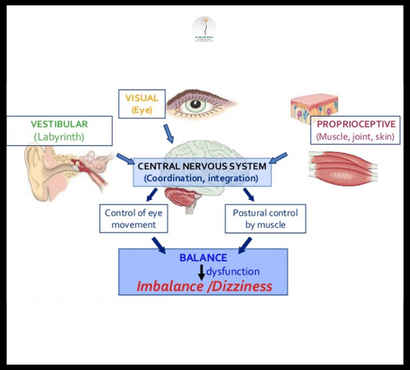
Balance and coordination depend on a synergy between your brain, inner ears, sensory nerves, muscles, and vision. When this complex system falters, you may experience dizziness, stumbling, or poor limb control— which may range from mild annoyances to signs of serious nervous system damage. This guide explains how balance works, common warning signs, possible causes, and modern evaluation and rehab strategies. 2. How Balance and Coordination Work Your body’s postural control relies on three primary systems: Vestibular system (inner ear) – Detects head motion Proprioceptive input (nerves in muscles/joints) – Provides information on body position Vision – Offers orientation cues These converge in the cerebellum and brainstem, integrating signals and coordinating movements. Damage anywhere—ear, nerves, brain—can disrupt this harmony 3. Common Symptoms of Dysfunction Dizziness or vertigo (spinning) Unsteadiness, stumbling, falls Poor coordination—clumsiness in limbs Nystagmus (eye movements) or blurred vision Lightheadedness or feeling faint If symptoms are persistent, recurrent, or worsen, an evaluation is vital. 4. Underlying Causes System Affected Common Conditions Vestibular (inner ear) BPPV, ear infections, Meniere’s disease, vestibulocerebellar syndrome Peripheral nerves Diabetic neuropathy, chemo toxicity, vitamin deficiency Brain/Cerebellum Stroke, multiple sclerosis, ataxia, cerebellar degeneration, tumors Spine Spinal stenosis or cord compression leading to myelopathy Systemic Low BP, dehydration, medications, heart issues 5. Warning Signs That Require Doctor’s Visit Seek prompt care if you experience: Sudden unsteadiness or falls Persistent dizziness for days Double vision or slurred speech Sudden limb weakness or numbness Chest pain or fainting with symptoms 6. Diagnosing the Cause A. Clinical History & Physical Exam Your doctor will note onset, triggers, duration, and associated symptoms. B. Specialist Tests Vestibular exams: Dix-Hallpike, vHIT, ENG/VNG Nerve exams: EMG for neuropathy Imaging: MRI/CT for brain/spine conditions Lab tests: Blood pressure, diabetes screen, vitamin B12 7. Treatment & Rehabilitation A. Treat Underlying Cause Vestibular disorders: Canalith repositioning, inner ear medication Peripheral neuropathy: Control diabetes, treat vitamin deficiencies Cerebellar issues: Focused on cause; may include medication or surgery B. Vestibular Rehabilitation Therapy (VRT) Targeted balance exercises to retrain the brain—3-4 sessions/week typically. C. Physical Therapy for Coordination Strength and gait training significantly reduce falls and improve stability. D. Lifestyle Adjustments Adequate hydration, gradual posture changes, visual correction, avoiding triggers, and safe home environments. 8. Prognosis & Preventing Falls Recovery varies by cause—inner ear disorders often improve quickly, cerebellar issues more gradually Long-term physical or vestibular therapy offers sustained benefits Fall prevention includes removing tripping hazards, using support rails, and steady footwear Balance and coordination arise from a finely tuned system involving your inner ears, nerves, muscles, vision, and brain. Disruption in any part can cause dizziness, clumsiness, or falls. Most causes—be it BPPV, neuropathy, or mild cerebellar issues—respond well to rehab and lifestyle changes. More serious symptoms require medical evaluation. If you or a loved one experiences persistent imbalance, don’t delay—visit a neurologist for timely care and regain confidence in movement. FAQs Q1. Is poor balance always neurological? Not always—causes range from inner ear issues and low blood pressure to neuropathy. Persistent or progressive unsteadiness needs evaluation. Q2. How effective is vestibular rehabilitation therapy? VRT is highly successful—studies show 70–80% of patients regain balance and reduce dizziness with consistent exercise Q3. Can diabetic neuropathy affect coordination? Yes—damage to sensory nerves in feet makes balance challenging. Controlling blood sugar and physiotherapy helps improve stability .

Balance and Coordination Problems: A Sign of Nervous System Damage? Read More »

Memory Loss and Confusion: Could It Be a Neurological Issue?

Have you or a loved one been forgetting names, misplacing things more often, or feeling mentally foggy? While occasional forgetfulness is normal, persistent memory loss and confusion could be signs of an underlying neurological issue. In India, conditions such as Alzheimer’s, Parkinson’s, or brain tumors often go undiagnosed in the early stages due to lack of awareness. Understanding the difference between normal aging and serious neurological disorders can help with early diagnosis and effective management. Understanding the Brain and Its Functions The brain controls memory, thinking, and coordination. It works through a complex network of neurons and chemical signals. Damage or disease affecting this network can impair cognitive abilities, leading to symptoms such as memory loss, confusion, poor judgment, or even behavioral changes. Difference Between Normal Forgetfulness and Memory Loss Normal Aging Neurological Concern Occasionally forgetting names Frequent memory lapses Misplacing items now and then Getting lost in familiar places Word-finding difficulty sometimes Trouble following conversations Slower thinking but no impact Decline in problem-solving or planning If memory loss affects daily functioning, it warrants medical attention. Top Neurological Conditions Linked to Memory Loss & Confusion 1. Alzheimer’s Disease Progressive brain disorder causing memory loss, confusion, and behavioral issues Common after age 65, but early-onset can begin earlier No cure, but early diagnosis helps manage symptoms better 2. Vascular Dementia Caused by reduced blood flow to the brain due to strokes or blood vessel damage Symptoms: confusion, trouble focusing, and short-term memory loss 3. Mild Cognitive Impairment (MCI) Memory loss greater than expected for age, but not severe enough for dementia May remain stable or progress to Alzheimer’s 4. Parkinson’s Disease Primarily affects movement but can lead to cognitive decline over time Includes symptoms like tremors, slow movement, and depression 5. Brain Tumors or Injury Tumors or trauma (e.g., concussions) can interfere with memory, mood, and coordination Symptoms vary depending on the location and size of the tumor 6. Stroke Sudden loss of brain function due to a blocked or ruptured blood vessel Post-stroke memory issues and confusion are common 7. Infections and Inflammation Encephalitis, meningitis, or autoimmune diseases can cause sudden confusion Urgent treatment is essential Warning Signs to Watch For Forgetting familiar names, routes, or tasks Difficulty following instructions Personality changes or irritability Disorientation in time or place Repeating questions or stories Poor judgment or decision-making Diagnostic Steps Neurologists Use 1. Clinical History and Physical Examination Review symptoms, family history, lifestyle, and medications 2. Cognitive Tests Mini-Mental State Examination (MMSE) Montreal Cognitive Assessment (MoCA) 3. Brain Imaging MRI or CT scans to detect tumors, strokes, or brain shrinkage 4. Blood Tests Rule out vitamin deficiencies, thyroid issues, or infections 5. EEG or PET Scans Evaluate brain activity or identify changes in brain metabolism Treatment Options Treatment depends on the underlying cause: Alzheimer’s/Dementia: Medications like donepezil, therapy, and memory training Parkinson’s: Dopaminergic medication and physiotherapy Stroke: Clot-busting drugs, rehabilitation Infections: Antibiotics or antivirals Tumors: Surgery, chemotherapy, or radiation Supportive care, counseling, and occupational therapy are also vital in most cases. Lifestyle Tips to Improve Brain Health Eat a balanced, antioxidant-rich diet Exercise regularly to boost blood flow Practice memory games and puzzles Socialize and stay mentally active Control blood pressure and sugar Get enough quality sleep Memory loss and confusion should never be ignored. While occasional forgetfulness is part of life, frequent cognitive difficulties can indicate serious neurological conditions. With early diagnosis and the right care, many of these issues can be managed or even reversed. In India, raising awareness and seeking timely neurological consultation are crucial to preserving brain health. If you or a loved one is experiencing these symptoms, don’t delay in seeking medical advice. FAQs Q1. Is memory loss always a sign of Alzheimer’s? No. While Alzheimer’s is a common cause, memory loss can also result from stress, medications, infections, or vitamin deficiencies. Q2. When should I see a neurologist for memory problems? If memory loss affects daily life or is worsening rapidly, consult a neurologist. Early evaluation helps identify treatable causes. Q3. Can young adults experience neurological memory issues? Yes. Conditions like traumatic brain injury, epilepsy, or autoimmune diseases can cause memory issues even in young individuals.

Memory Loss and Confusion: Could It Be a Neurological Issue? Read More »

The Role of Aging in Neurological Disorders: What You Need to Know

As India experiences a demographic shift with a growing elderly population, understanding the impact of aging on neurological health becomes paramount. Neurological disorders, including dementia, Parkinson’s disease, and stroke, are increasingly prevalent among older adults, posing significant challenges to individuals, families, and the healthcare system. Understanding Neurological Disorders Neurological disorders encompass a range of conditions affecting the brain, spinal cord, and nerves. Common age-related neurological disorders include: Alzheimer’s Disease and Other Dementias: Characterized by progressive memory loss and cognitive decline. Parkinson’s Disease: A movement disorder leading to tremors, stiffness, and balance issues. Stroke: Occurs when blood flow to the brain is interrupted, leading to potential brain damage. Peripheral Neuropathy: Damage to peripheral nerves causing weakness, numbness, and pain, often in the hands and feet. Prevalence in India India is witnessing a rise in neurological disorders among its aging population: The prevalence of dementia among individuals aged 55 and above is approximately 0.8%, increasing to 1.3% in those aged 65 and above. Parkinson’s disease cases are projected to rise significantly due to increased life expectancy. A recent survey in Nagpur revealed a surge in sensory and neurological issues among citizens aged 50 and above, including blindness, hearing loss, and mental illness. Risk Factors Several factors contribute to the increased risk of neurological disorders with age: Genetic Predisposition: Family history can influence susceptibility. Lifestyle Factors: Poor diet, lack of exercise, and smoking can increase risk. Chronic Conditions: Diabetes, hypertension, and cardiovascular diseases are linked to higher neurological disorder risk. Environmental Exposures: Exposure to toxins and pollutants may contribute to neurological decline. Preventive Measures While aging is inevitable, certain measures can help mitigate the risk of neurological disorders: Regular Physical Activity: Engaging in exercise can improve blood flow to the brain and promote neuroplasticity. Balanced Diet: Consuming a diet rich in fruits, vegetables, whole grains, and omega-3 fatty acids supports brain health. Mental Stimulation: Activities like reading, puzzles, and learning new skills can enhance cognitive reserve. Social Engagement: Maintaining social connections can reduce the risk of depression and cognitive decline. Regular Health Check-ups: Monitoring and managing chronic conditions can prevent complications. Treatment and Management Early diagnosis and intervention are crucial in managing neurological disorders: Medications: Drugs can help manage symptoms and slow disease progression. Therapies: Physical, occupational, and speech therapies can improve quality of life. Support Services: Counseling and support groups provide emotional assistance to patients and caregivers. Aging brings about changes that can impact neurological health, but awareness and proactive measures can make a significant difference. By understanding the risks and adopting preventive strategies, individuals can maintain cognitive function and quality of life in their later years. FAQs Can neurological disorders be prevented as we age? While not all neurological disorders can be prevented, adopting a healthy lifestyle and managing chronic conditions can reduce risk. How can I differentiate between normal aging and signs of a neurological disorder? Normal aging may involve mild memory lapses, but significant cognitive decline, personality changes, or motor issues warrant medical evaluation. Are there specific screenings for neurological disorders in older adults? Yes, regular cognitive assessments and neurological evaluations are recommended, especially for those with risk factors or symptoms.

The Role of Aging in Neurological Disorders: What You Need to Know Read More »

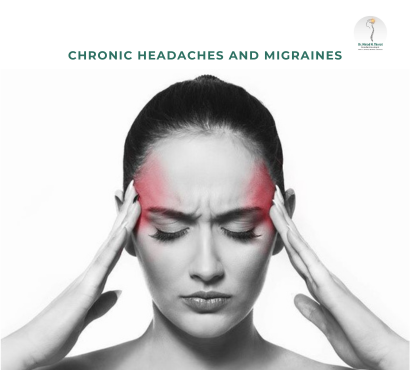
Chronic Headaches and Migraines

Headaches are a common ailment affecting individuals across all age groups. While occasional headaches are typically harmless, chronic headaches and migraines can significantly impact one’s quality of life. Understanding their causes, recognizing symptoms, and exploring treatment options are crucial steps toward effective management. Understanding Chronic Headaches Chronic headaches are defined as headaches occurring on 15 or more days per month for at least three months. They can be classified into several types: Chronic Migraine: Characterized by migraine symptoms occurring frequently. Chronic Tension-Type Headache: Presents as a constant, dull ache on both sides of the head. New Daily Persistent Headache: Sudden onset of daily headaches without a clear cause. Hemicrania Continua: Continuous, one-sided headache that responds to specific medication. Migraines: A Closer Look Migraines are a type of headache disorder marked by recurrent attacks. They often involve: Aura: Visual disturbances preceding the headache. Pain: Typically throbbing, affecting one side of the head. Associated Symptoms: Nausea, vomiting, sensitivity to light and sound. Migraines can be episodic or chronic, with chronic migraines occurring more than 15 days a month. Common Triggers Identifying and avoiding triggers can help manage chronic headaches and migraines: Stress: Emotional stress is a significant trigger. Diet: Certain foods like aged cheese, processed meats, and caffeine. Sleep Patterns: Lack of sleep or oversleeping. Hormonal Changes: Especially in women during menstruation. Environmental Factors: Bright lights, strong smells, and loud noises. Diagnosis Proper diagnosis involves: Medical History: Understanding the frequency, duration, and nature of headaches. Physical Examination: Checking for signs of neurological issues. Imaging Tests: MRI or CT scans to rule out other conditions. Treatment Options Medications: Pain Relievers: NSAIDs, acetaminophen. Triptans: Specifically for migraines. Preventive Medications: Beta-blockers, antidepressants, anticonvulsants. Lifestyle Modifications: Regular Exercise: Helps reduce stress. Dietary Changes: Avoiding known food triggers. Sleep Hygiene: Maintaining a consistent sleep schedule. Alternative Therapies: Acupuncture: May help reduce frequency. Biofeedback: Teaches control over physiological functions. Botox Injections: Approved for chronic migraines, administered every 12 weeks. When to See a Doctor Consult a healthcare provider if: Headaches are frequent or severe. Over-the-counter medications are ineffective. Headaches interfere with daily activities. FAQs Can stress cause chronic headaches? Yes, stress is a common trigger for both tension-type headaches and migraines. Are migraines hereditary? Migraines can run in families, suggesting a genetic component. Is it safe to take painkillers regularly for headaches? Frequent use can lead to medication-overuse headaches. Consult a doctor for proper management.

Chronic Headaches and Migraines Read More »

How Chronic Stress Affects Your Brain and Nervous System

In today’s fast-paced world, stress has become an almost constant companion. While short-term stress can be beneficial, chronic stress poses significant risks to our brain and nervous system. Understanding these effects is crucial for maintaining mental and neurological health. The Physiology of Stress When faced with a stressful situation, the body initiates a “fight or flight” response, releasing hormones like cortisol and adrenaline. This response is mediated by the Hypothalamic-Pituitary-Adrenal (HPA) axis, which regulates stress hormones and maintains homeostasis. Chronic activation of this system can lead to detrimental effects on the brain and nervous system. Effects on the Brain 1. Hippocampus Shrinkage The hippocampus, vital for memory and learning, is particularly susceptible to stress. Prolonged exposure to cortisol can lead to hippocampal atrophy, impairing cognitive functions. 2. Prefrontal Cortex Impairment The prefrontal cortex governs decision-making and emotional regulation. Chronic stress can reduce its functionality, leading to poor judgment and increased susceptibility to mood disorders. 3. Amygdala Hyperactivity The amygdala processes emotions like fear and anxiety. Stress can enlarge the amygdala, heightening emotional responses and contributing to anxiety disorders. Impact on the Nervous System Chronic stress affects the nervous system by: Altering neurotransmitter levels, leading to mood imbalances. Reducing neurogenesis, hindering the formation of new neurons. Increasing inflammation, which can damage neural tissue. Disrupting autonomic functions, affecting heart rate and digestion. Long-Term Consequences Prolonged stress can contribute to: Depression and anxiety disorders Cognitive decline and memory loss Increased risk of neurodegenerative diseases like Alzheimer’s Sleep disturbances and chronic fatigue Managing Chronic Stress Effective strategies include: Mindfulness and meditation: Enhances self-awareness and reduces stress. Regular physical activity: Releases endorphins, improving mood. Adequate sleep: Essential for brain health and stress recovery. Healthy diet: Nutrient-rich foods support neurological function. Social support: Sharing concerns with friends or professionals can alleviate stress. FAQs 1. Can chronic stress lead to permanent brain damage? While the brain has remarkable plasticity, prolonged stress can cause structural changes, particularly in areas like the hippocampus and prefrontal cortex. Early intervention and stress management can mitigate these effects. 2. How does stress affect memory? Chronic stress impairs the hippocampus, crucial for memory formation, leading to difficulties in learning and recalling information. 3. Are there medical treatments for stress-induced neurological issues? Yes, treatments may include therapy, medications, and lifestyle modifications. Consulting a healthcare professional is essential for personalized care.

How Chronic Stress Affects Your Brain and Nervous System Read More »

Brain-Body-Connection

The Brain-Body Connection: How Your Nervous System Impacts Overall Health

The human body is a complex system where every organ and function is interconnected. At the center of this intricate network lies the nervous system, which acts as the command center, controlling and coordinating bodily functions. The brain-body connection is a crucial aspect of overall health, influencing everything from emotions and immunity to digestion and chronic diseases. In this blog, we’ll explore: ✔ The role of the nervous system in bodily functions ✔ How stress, emotions, and lifestyle choices impact health ✔ The link between brain health and chronic illnesses ✔ Ways to enhance the brain-body connection for better well-being Understanding the Nervous System The nervous system is made up of two primary components: 1️⃣ The Central Nervous System (CNS) – Consists of the brain and spinal cord, responsible for processing information and sending commands. 2️⃣ The Peripheral Nervous System (PNS) – Includes nerves that connect the CNS to the rest of the body, controlling muscles, organs, and sensory input. The nervous system is further divided into: ✔ Somatic Nervous System – Controls voluntary actions like walking and talking. ✔ Autonomic Nervous System (ANS) – Regulates involuntary functions such as heart rate, digestion, and breathing. The Autonomic Nervous System has two parts: ✔ Sympathetic Nervous System (SNS) – Activates the “fight-or-flight” response during stress. ✔ Parasympathetic Nervous System (PNS) – Promotes relaxation and recovery (“rest and digest” response). Understanding these systems helps us recognize how the brain influences overall health. The Brain-Body Connection and Its Impact on Health The brain communicates with the body through a network of neurons, hormones, and neurotransmitters. Any disruption in this connection can lead to health problems. Let’s explore some key areas where the nervous system plays a vital role. 1. Stress and Its Effects on the Body One of the most powerful examples of the brain-body connection is stress. When faced with a stressful situation, the sympathetic nervous system triggers the release of cortisol and adrenaline, leading to: ✔ Increased heart rate and blood pressure ✔ Faster breathing ✔ Muscle tension ✔ Suppressed digestion and immune function While short-term stress is natural, chronic stress can lead to: ✔ High blood pressure and heart disease ✔ Weakened immune system (higher risk of infections) ✔ Digestive problems (like IBS and acid reflux) ✔ Anxiety, depression, and insomnia How to Manage Stress for a Healthier Nervous System: ✔ Practice mindfulness and meditation ✔ Engage in deep breathing exercises ✔ Get enough sleep to regulate cortisol levels ✔ Engage in physical activity to release endorphins (natural stress relievers) 2. The Gut-Brain Connection: How Digestion is Linked to the Nervous System The gut is often referred to as the “second brain” because it contains millions of neurons and communicates directly with the brain through the vagus nerve. ✔ The gut microbiome (good bacteria in the intestines) plays a crucial role in mental health. ✔ Imbalances in gut bacteria are linked to anxiety, depression, and brain fog. ✔ Digestive disorders like IBS (Irritable Bowel Syndrome) are often triggered by stress and nervous system dysfunction. How to Improve the Gut-Brain Connection: ✔ Eat a fiber-rich diet with probiotics (yogurt, kefir, fermented foods). ✔ Reduce sugar and processed foods, which cause inflammation. ✔ Manage stress, as it directly affects digestion. 3. Sleep and Brain Function: Why Quality Rest Matters The brain relies on sleep for repair, memory consolidation, and hormone regulation. Poor sleep disrupts the nervous system, leading to: ✔ Reduced cognitive function (poor memory and concentration) ✔ Increased risk of Alzheimer’s disease ✔ Hormonal imbalances, affecting metabolism and mood ✔ Weakened immune system How to Improve Sleep for a Healthier Nervous System: ✔ Maintain a consistent sleep schedule ✔ Limit screen time before bed (blue light disrupts melatonin) ✔ Avoid caffeine and heavy meals before bedtime ✔ Create a relaxing bedtime routine (reading, meditation, or soft music) 4. Chronic Pain and the Nervous System Pain is not just a physical sensation—it is regulated by the nervous system and brain. Conditions like migraines, fibromyalgia, and nerve pain often stem from nervous system imbalances. ✔ Chronic pain increases stress hormones, creating a vicious cycle of discomfort. ✔ Neuropathic pain (nerve-related pain) is common in diabetes and spinal issues. How to Manage Chronic Pain Naturally: ✔ Mindfulness meditation can retrain the brain’s pain response. ✔ Regular exercise releases natural painkillers (endorphins). ✔ Acupuncture and physiotherapy improve nerve function. 5. Mental Health and Brain Function The brain-body connection plays a crucial role in mental health. An imbalance in neurotransmitters like serotonin, dopamine, and GABA can cause: ✔ Anxiety and depression ✔ Mood swings ✔ Lack of focus and motivation How to Boost Mental Health Naturally: ✔ Engage in regular exercise (boosts serotonin and dopamine). ✔ Spend time in nature and sunlight (increases vitamin D, linked to better mood). ✔ Practice gratitude and positive thinking (helps rewire the brain for resilience). Ways to Strengthen the Brain-Body Connection ✔ Exercise regularly – Movement enhances brain function and reduces stress. ✔ Eat a brain-healthy diet – Include omega-3s (fish, nuts), antioxidants (berries), and hydration. ✔ Prioritize mental well-being – Practice mindfulness, therapy, or journaling. ✔ Stay socially connected – Strong relationships improve brain health. ✔ Limit toxins – Avoid excessive alcohol, smoking, and processed foods. The brain-body connection is essential for overall well-being. A healthy nervous system supports digestion, immunity, emotional balance, and even pain management. By making conscious lifestyle changes—such as reducing stress, eating well, exercising, and prioritizing mental health—you can strengthen this connection and improve your quality of life. Listen to your body—it’s always communicating with you! FAQ 1. How does stress affect the nervous system? Stress activates the fight-or-flight response, releasing cortisol and adrenaline, which can lead to high blood pressure, digestive issues, and weakened immunity if prolonged. 2. Can meditation really improve brain function? Yes, meditation helps reduce stress hormones, improves focus, enhances emotional regulation, and even increases gray matter in the brain. 3. How can I naturally improve my nervous system health? ✔ Eat brain-boosting foods (leafy greens, nuts, fatty fish). ✔

The Brain-Body Connection: How Your Nervous System Impacts Overall Health Read More »