Dr Ninad Thorat

Author: event

event

Common Neurological Disorders: Causes, Symptoms, and Treatments

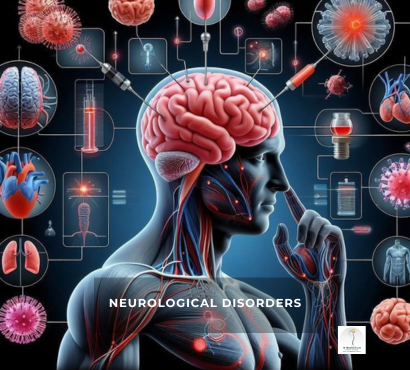
The human nervous system is a complex network that controls everything from movement and sensation to thought and emotion. However, like any system, it is prone to disorders that can impact a person’s quality of life. Neurological disorders affect the brain, spinal cord, and nerves, leading to various symptoms ranging from mild discomfort to severe disability. This blog will explore some of the most common neurological disorders, their causes, symptoms, and available treatment options. What Are Neurological Disorders? Neurological disorders are medical conditions that affect the nervous system, including the brain, spinal cord, and peripheral nerves. These disorders can be caused by genetic mutations, infections, injuries, or lifestyle factors and can lead to a wide range of physical and cognitive impairments. Common Causes of Neurological Disorders Neurological disorders can arise due to multiple factors, including: ✅ Genetic factors – Inherited conditions like Huntington’s disease and muscular dystrophy ✅ Infections – Meningitis, encephalitis, and viral infections affecting the nervous system ✅ Trauma – Brain injuries, spinal cord damage, and concussions ✅ Autoimmune diseases – Conditions like multiple sclerosis (MS) and myasthenia gravis ✅ Neurodegeneration – Progressive diseases such as Alzheimer’s and Parkinson’s ✅ Vascular issues – Stroke, aneurysms, and blood vessel blockages in the brain ✅ Lifestyle factors – Smoking, excessive alcohol consumption, poor diet, and lack of exercise Common Neurological Disorders: Causes, Symptoms, and Treatments 1. Stroke A stroke occurs when blood flow to the brain is interrupted, either due to a blockage (ischemic stroke) or bleeding (hemorrhagic stroke). It is a medical emergency requiring immediate treatment. Symptoms: 🔹 Sudden weakness or numbness in the face, arm, or leg (especially on one side) 🔹 Difficulty speaking or understanding speech 🔹 Loss of vision in one or both eyes 🔹 Severe headache with no known cause Treatment: ✅ Immediate care – Clot-busting medications (thrombolytics) for ischemic strokes ✅ Surgery – Clot removal procedures or aneurysm repair for hemorrhagic strokes ✅ Rehabilitation – Physical therapy, speech therapy, and occupational therapy 2. Alzheimer’s Disease Alzheimer’s disease is a progressive brain disorder that affects memory, thinking, and behavior. It is the most common cause of dementia. Symptoms: 🔹 Memory loss, confusion, and difficulty recognizing familiar people 🔹 Problems with speech, reasoning, and decision-making 🔹 Changes in personality, mood swings, and aggression 🔹 Difficulty performing daily tasks Treatment: ✅ Medications – Cholinesterase inhibitors (donepezil, rivastigmine) to manage symptoms ✅ Cognitive therapy – Brain exercises and memory training ✅ Lifestyle management – Healthy diet, exercise, and mental stimulation 3. Parkinson’s Disease Parkinson’s disease is a progressive movement disorder caused by the degeneration of dopamine-producing neurons in the brain. Symptoms: 🔹 Tremors (shaking) in hands, arms, or legs 🔹 Slow movement (bradykinesia) and stiffness 🔹 Balance problems and difficulty walking 🔹 Changes in speech and handwriting Treatment: ✅ Medications – Levodopa, dopamine agonists, and MAO-B inhibitors ✅ Physical therapy – Improves muscle strength and balance ✅ Surgical options – Deep brain stimulation (DBS) in advanced cases 4. Epilepsy Epilepsy is a neurological disorder characterized by recurrent seizures caused by abnormal electrical activity in the brain. Symptoms: 🔹 Repeated seizures, ranging from mild staring spells to full-body convulsions 🔹 Loss of consciousness during a seizure 🔹 Uncontrolled movements or jerking motions 🔹 Sensory disturbances, including flashing lights or strange smells Treatment: ✅ Anti-seizure medications – Carbamazepine, valproate, and levetiracetam ✅ Surgical interventions – For severe cases where medication is ineffective ✅ Lifestyle changes – Managing triggers like sleep deprivation and stress 5. Multiple Sclerosis (MS) Multiple sclerosis is an autoimmune disease that affects the protective covering of nerves (myelin), leading to communication problems between the brain and the rest of the body. Symptoms: 🔹 Muscle weakness, numbness, or tingling sensations 🔹 Difficulty with coordination and balance 🔹 Blurred vision or double vision 🔹 Fatigue and cognitive impairment Treatment: ✅ Disease-modifying therapies – Interferon beta, natalizumab, and fingolimod ✅ Physical therapy – Helps with mobility and muscle strength ✅ Corticosteroids – Used to reduce inflammation during flare-ups 6. Migraine Migraine is a neurological condition characterized by severe headaches often accompanied by nausea and sensitivity to light and sound. Symptoms: 🔹 Throbbing headache on one side of the head 🔹 Nausea and vomiting 🔹 Sensitivity to light and sound 🔹 Visual disturbances (aura) Treatment: ✅ Pain relievers – Ibuprofen, acetaminophen, and triptans ✅ Preventive medications – Beta-blockers and anti-seizure drugs ✅ Lifestyle changes – Avoiding triggers like stress, caffeine, and certain foods Living with Neurological Disorders Managing a neurological disorder requires a comprehensive treatment plan that includes medication, therapy, and lifestyle changes. Here are some essential steps to improve quality of life: ✅ Regular medical check-ups – Early diagnosis and treatment can prevent complications ✅ Healthy diet – Eating a balanced diet rich in omega-3 fatty acids, antioxidants, and vitamins ✅ Physical activity – Helps maintain mobility, strength, and mental health ✅ Mental wellness – Therapy and support groups can help patients and caregivers cope with emotional stress ✅ Adequate sleep – Essential for brain function and recovery Neurological disorders can significantly impact a person’s health and daily life, but with early diagnosis and proper management, many conditions can be treated or controlled. Advances in medicine, therapy, and lifestyle modifications play a crucial role in improving outcomes for patients. If you or a loved one experiences symptoms related to a neurological disorder, consulting a neurologist is essential for timely diagnosis and treatment. FAQ 1. Can neurological disorders be prevented? Some neurological disorders, such as genetic conditions, cannot be prevented. However, adopting a healthy lifestyle, managing blood pressure, avoiding head injuries, and staying mentally active can help reduce the risk of many neurological conditions. 2. What is the most common neurological disorder? Migraine is one of the most common neurological disorders worldwide. However, conditions like stroke, epilepsy, and Parkinson’s disease are also highly prevalent, especially among older adults. 3. How are neurological disorders diagnosed? Neurological disorders are diagnosed using a combination of clinical evaluation, imaging tests (MRI, CT scan), electroencephalogram (EEG), and blood tests to detect underlying issues affecting the

Common Neurological Disorders: Causes, Symptoms, and Treatments Read More »

What Does a Neurologist Do? Understanding Brain and Nervous System Health

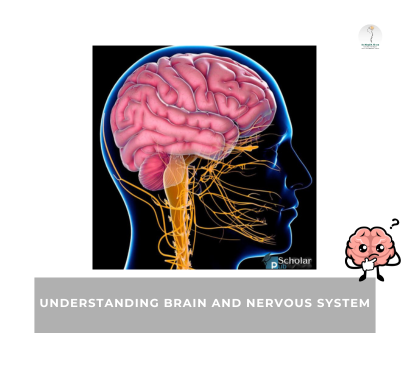
The human brain and nervous system are incredibly complex, controlling everything from movement and sensation to memory and emotions. When something goes wrong with the nervous system, it can lead to serious health issues affecting the brain, spinal cord, and nerves. This is where neurologists come in. A neurologist is a medical specialist trained to diagnose, manage, and treat disorders of the nervous system. From migraines and epilepsy to stroke and Parkinson’s disease, neurologists play a crucial role in maintaining brain and nerve health. In this article, we will explore: ✔ The role of a neurologist ✔ Common neurological conditions they treat ✔ When to see a neurologist ✔ Diagnostic tests and treatment options Who is a Neurologist? A neurologist is a medical doctor who specializes in the diagnosis and treatment of brain, spinal cord, and nerve disorders. They undergo extensive training in identifying neurological diseases and providing specialized treatments, often working with neurosurgeons, physiotherapists, and rehabilitation experts. Unlike neurosurgeons, who perform brain and spine surgeries, neurologists primarily focus on non-surgical treatments such as medications, therapy, and lifestyle modifications. What Conditions Does a Neurologist Treat? Neurologists treat a wide range of neurological disorders, including: 1. Headaches & Migraines ✔ Tension headaches, cluster headaches, and migraines are some of the most common neurological issues. ✔ Symptoms include throbbing pain, sensitivity to light, nausea, and dizziness. ✔ Treatment includes pain relievers, lifestyle changes, and stress management. 2. Epilepsy & Seizures ✔ A neurological disorder characterized by recurrent seizures due to abnormal brain activity. ✔ Seizures can cause uncontrolled movements, confusion, and loss of consciousness. ✔ Treatment includes anti-epileptic drugs (AEDs), dietary therapy, and, in some cases, surgery. 3. Stroke & Its Aftereffects ✔ A stroke occurs when blood supply to the brain is interrupted, leading to brain damage. ✔ Symptoms include sudden weakness, slurred speech, facial drooping, and loss of coordination. ✔ Immediate treatment involves clot-dissolving medications or surgery, followed by rehabilitation therapy. 4. Parkinson’s Disease ✔ A progressive disorder that affects movement due to low dopamine levels in the brain. ✔ Symptoms include tremors, slow movements, stiffness, and difficulty with balance. ✔ Treatment includes medications, physiotherapy, and in some cases, deep brain stimulation (DBS). 5. Multiple Sclerosis (MS) ✔ An autoimmune disorder where the immune system attacks the protective covering of nerves. ✔ Symptoms include fatigue, numbness, vision problems, and difficulty walking. ✔ Treatment includes immunosuppressants, steroids, and physiotherapy. 6. Alzheimer’s Disease & Dementia ✔ Progressive neurodegenerative diseases affecting memory, thinking, and behavior. ✔ Symptoms include confusion, personality changes, difficulty recognizing people, and memory loss. ✔ While there’s no cure, medications and cognitive therapy can help slow progression. 7. Neuropathy & Nerve Disorders ✔ Peripheral neuropathy occurs due to nerve damage, causing pain, tingling, and numbness. ✔ Common causes include diabetes, infections, and vitamin deficiencies. ✔ Treatment includes nerve pain medications, lifestyle changes, and physical therapy. 8. Brain & Spinal Cord Injuries ✔ Traumatic brain injury (TBI) and spinal cord injury can cause paralysis, memory loss, or cognitive impairments. ✔ Neurologists help in rehabilitation and recovery. 9. Sleep Disorders ✔ Insomnia, sleep apnea, restless leg syndrome, and narcolepsy are linked to neurological dysfunction. ✔ Treatment includes sleep therapy, medication, and lifestyle changes. 10. Movement Disorders (Ataxia, Dystonia, Tremors) ✔ These disorders affect balance, coordination, and voluntary movements. ✔ Treatment includes medications, physical therapy, and, in some cases, surgical intervention. When Should You See a Neurologist? Consult a neurologist if you experience: ✔ Frequent or severe headaches/migraines ✔ Numbness or tingling in the hands, legs, or feet ✔ Memory loss or confusion ✔ Uncontrolled tremors, movement difficulties, or balance issues ✔ Seizures or blackouts ✔ Sudden weakness or paralysis in any part of the body ✔ Chronic pain that doesn’t improve with treatment Early diagnosis and treatment of neurological conditions can prevent complications and improve quality of life. How Does a Neurologist Diagnose Neurological Disorders? Neurologists use several diagnostic tests to evaluate brain and nerve function, including: 1. Neurological Examination ✔ Assesses reflexes, muscle strength, coordination, and sensation. 2. Imaging Tests ✔ MRI (Magnetic Resonance Imaging) – Provides detailed images of the brain and spinal cord. ✔ CT Scan – Detects strokes, tumors, and brain injuries. 3. Electroencephalogram (EEG) ✔ Records brain activity to diagnose epilepsy and sleep disorders. 4. Electromyography (EMG) & Nerve Conduction Study (NCS) ✔ Evaluates nerve and muscle function to detect neuropathy. 5. Lumbar Puncture (Spinal Tap) ✔ Helps diagnose infections, multiple sclerosis, and brain hemorrhages. Treatment Options for Neurological Disorders Depending on the condition, treatment may include: 1. Medications ✔ Pain relievers and muscle relaxants for headaches and neuropathy ✔ Anticonvulsants for epilepsy ✔ Dopamine agonists for Parkinson’s disease 2. Physiotherapy & Rehabilitation ✔ Helps restore mobility and strength after stroke or brain injury. 3. Lifestyle Modifications ✔ Healthy diet, exercise, and stress management help manage neurological disorders. 4. Surgery & Advanced Treatments ✔ Deep brain stimulation (DBS) for Parkinson’s disease ✔ Brain surgery for tumors or epilepsy treatment Neurologists are essential for diagnosing, treating, and managing disorders of the brain, spine, and nervous system. From headaches and epilepsy to stroke and movement disorders, their expertise ensures proper care and treatment for various conditions. If you experience persistent neurological symptoms, consult a neurologist for early diagnosis and intervention. Your brain health matters, and seeking timely medical attention can prevent long-term complications. FAQs 1. What is the difference between a neurologist and a neurosurgeon? ✔ A neurologist treats brain and nerve disorders with medications and therapies, while a neurosurgeon performs surgeries on the brain, spine, and nerves. 2. Can neurological disorders be cured? ✔ Some neurological conditions like migraines and mild neuropathy can be managed effectively. However, chronic conditions like Parkinson’s and Alzheimer’s require lifelong management. 3. How can I keep my brain and nervous system healthy? ✔ Eat a nutritious diet, exercise regularly, manage stress, avoid smoking/alcohol, and get enough sleep.

What Does a Neurologist Do? Understanding Brain and Nervous System Health Read More »

Understanding Migraine Triggers and How to Manage Them

Migraines are more than just severe headaches. They are complex neurological conditions that can cause debilitating pain, often accompanied by nausea, sensitivity to light and sound, and visual disturbances. Understanding and managing migraine triggers is a crucial step in reducing their frequency and severity. Common Migraine Triggers Migraines can be triggered by various factors, which vary from person to person. Some of the most common triggers include: Stress: Emotional stress is one of the most prevalent migraine triggers. Anxiety, tension, or sudden relief from stress can all prompt a migraine. Dietary Factors: Certain foods and drinks, such as aged cheeses, processed meats, chocolate, caffeine, and alcohol, are known to trigger migraines in some individuals. Skipping meals or fasting can also be a trigger. Sleep Patterns: Both too much and too little sleep can provoke migraines. Irregular sleep schedules and changes in sleep patterns, such as during travel, can also contribute. Hormonal Changes: Fluctuations in estrogen levels, such as during menstruation, pregnancy, or menopause, can trigger migraines in women. Environmental Factors: Bright lights, loud noises, strong odors, and changes in weather or altitude can be potential triggers. Medications: Certain medications, including oral contraceptives and vasodilators, may lead to migraines. Physical Exertion: Intense physical activity or sudden exertion can also trigger a migraine. Identifying Your Triggers Identifying personal migraine triggers is essential for effective management. Here are some strategies: Keep a Migraine Diary: Record details such as the time and date of the migraine, foods consumed, sleep patterns, stress levels, and environmental conditions. Notice Patterns: Look for recurring triggers over time to better understand what might be causing your migraines. Seek Professional Help: Work with a healthcare provider to pinpoint triggers and develop a tailored management plan. Managing Migraine Triggers Once you’ve identified your triggers, the next step is management. Here are some tips: Stress Management: Practice relaxation techniques such as deep breathing, meditation, yoga, or progressive muscle relaxation. Regular physical activity can also help alleviate stress. Dietary Adjustments: Avoid known trigger foods and maintain regular eating patterns. Stay hydrated and avoid excessive caffeine or alcohol consumption. Sleep Hygiene: Aim for consistent sleep schedules. Create a relaxing bedtime routine and ensure your sleeping environment is comfortable and free from distractions. Hormonal Management: Discuss hormonal triggers with your doctor. They may suggest lifestyle changes or medications to help regulate hormonal fluctuations. Environmental Control: Reduce exposure to bright lights, loud noises, and strong odors whenever possible. Use sunglasses, earplugs, or air purifiers as needed. Medication Management: Review your medications with your healthcare provider to identify any that may contribute to migraines and explore alternatives if necessary. Regular Exercise: Engage in moderate, consistent physical activity to promote overall well-being and reduce the frequency of migraines. Understanding and managing migraine triggers can greatly improve your quality of life. By identifying personal triggers and adopting preventive strategies, you can reduce the frequency and intensity of migraines. Don’t hesitate to seek professional guidance to develop a personalized management plan tailored to your needs. When to Seek Medical Attention While managing triggers can significantly reduce migraines, some cases may require medical intervention. Seek professional help if: Migraines become more frequent or severe. Over-the-counter medications are ineffective. You experience new or unusual symptoms, such as sudden changes in vision, speech, or motor function.

Understanding Migraine Triggers and How to Manage Them Read More »