Dr Ninad Thorat

Category: Uncategorized

Uncategorized

Parkinsons-

Parkinson’s Disease – Understanding Symptoms and Management

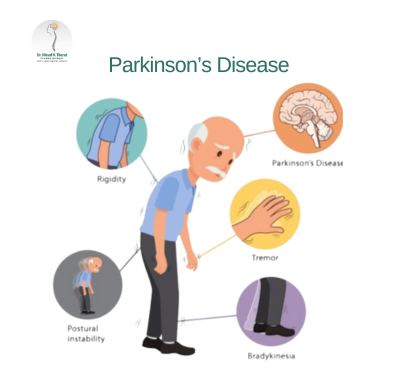
Parkinson’s disease (PD) is a progressive neurological disorder that mainly affects movement, but over time it also impacts mood, sleep, thinking, and everyday independence. It happens when certain brain cells that produce dopamine—a chemical that helps control smooth, coordinated muscle movements—gradually stop working and die. Parkinson’s is one of the most common movement disorders worldwide and in India, with prevalence increasing as populations age. Early recognition and a tailored management plan can help people live active, meaningful lives for many years after diagnosis.   What Is Parkinson’s Disease? PD is a chronic, progressive neurodegenerative disease characterised by motor (movement‑related) and non‑motor symptoms. The hallmark is loss of dopamine‑producing neurons in a region of the brain called the substantia nigra, leading to an imbalance of neurotransmitters that control movement. Most cases are idiopathic (no clear single cause), though genetics and environmental factors both contribute.   Classic Motor Symptoms Doctors often summarise the core motor features as: Resting tremor A rhythmic shaking, usually starting in one hand (“pill‑rolling” movement), more noticeable at rest and improving with movement. Bradykinesia (slowness of movement) Difficulty starting movements, reduced facial expressions, softer speech, smaller handwriting (micrographia). Muscle rigidity Stiffness in arms, legs, or trunk; a “cogwheel” feel when limbs are moved. Postural instability Impaired balance and increased tendency to fall, usually in later stages. Not everyone has all four at the beginning; PD often starts asymmetrically on one side.   Important Non‑Motor Symptoms Parkinson’s is more than a movement disorder; non‑motor symptoms can appear years before tremor or stiffness and strongly affect quality of life: Sleep disturbances – REM sleep behaviour disorder (acting out dreams), insomnia, restless legs. Loss of smell (hyposmia) – often an early sign. Constipation and urinary symptoms. Depression, anxiety, apathy. Cognitive changes – slowed thinking, later mild cognitive impairment or dementia. Autonomic problems – low blood pressure on standing (orthostatic hypotension), sweating abnormalities, sexual dysfunction. Recognising these helps in earlier diagnosis and comprehensive care.   Stages of Parkinson’s Disease Commonly, clinicians use scales like Hoehn and Yahr to describe progression: Stage 1: Symptoms on one side only, mild, little or no functional impairment. Stage 2: Symptoms on both sides, but balance is still intact; daily tasks may take slightly longer. Stage 3: Postural instability appears; falls may start; still independent but more limited. Stage 4: Severe disability; standing or walking possible only with assistance. Stage 5: Wheelchair‑bound or bedridden without help. Progression speed varies considerably between individuals; many remain in early stages for years with appropriate treatment.   Causes and Risk Factors Exact cause is unclear, but several contributors have been identified: Age: Biggest risk factor; PD rarely begins before 40, more common above 60. Genetics: Certain mutations (e.g., in LRRK2, PARK genes) increase risk; familial clustering is seen in a minority of patients. Environmental exposures: Pesticides, solvents, and some heavy metals have been associated with increased PD risk in epidemiological studies. Head injury: Repeated trauma may raise risk. Most patients likely develop PD from a mix of genetic susceptibility and lifelong environmental influences.   How Is Parkinson’s Diagnosed? There is no single blood test or scan that definitively diagnoses typical PD; it is largely a clinical diagnosis: Detailed history of symptoms (onset, progression, non‑motor complaints). Neurological examination looking for tremor, rigidity, bradykinesia, gait changes, and postural reflexes. Response to dopaminergic medication (like levodopa) supports the diagnosis. MRI or other tests may be used to exclude mimicking conditions (stroke, normal‑pressure hydrocephalus, drug‑induced parkinsonism). Special scans (e.g., DaTscan) can help in selected cases, but are not required for every patient.   Treatment: Medication and Beyond Parkinson’s is currently not curable, but many treatments improve symptoms and function 1) Medications Main drug categories: Levodopa (with carbidopa/benserazide) Gold‑standard symptomatic treatment; converts to dopamine in the brain and significantly improves slowness and rigidity. Over years, some patients develop “wearing‑off” (shorter action) and dyskinesias (involuntary movements), which can be managed by dose adjustments and add‑on drugs. Dopamine agonists (pramipexole, ropinirole, rotigotine) Mimic dopamine’s action in the brain; useful early on, especially in younger patients, often combined with levodopa later. MAO‑B inhibitors and COMT inhibitors Prevent breakdown of dopamine, smoothing its effect and extending levodopa benefit. Anticholinergics and amantadine Used selectively for tremor or dyskinesias; side‑effects limit use in older people. Choice of regimen depends on age, lifestyle, job demands, symptom profile, and side‑effect tolerance.   2) Non‑Drug Therapies Physiotherapy and exercise – strength, balance, and flexibility training improve mobility, reduce falls, and may slow functional decline. Occupational therapy – strategies and tools to maintain independence with dressing, writing, cooking, and employment. Speech and swallowing therapy – helps with soft voice, slurred speech, and swallowing difficulties. Nutrition support – balanced diet, anti‑constipation measures, and timing protein intake in relation to levodopa doses for some patients. 3) Deep Brain Stimulation (DBS) and Advanced Therapies For selected patients with significant motor fluctuations or medication‑induced dyskinesias despite optimal drugs: DBS involves surgically implanting electrodes into specific brain areas (e.g., subthalamic nucleus) connected to a pacemaker‑like device that modulates abnormal signals. This can markedly reduce “off” time and dyskinesias, allowing lower drug doses. Infusion therapies (e.g., levodopa intestinal gel, apomorphine pumps) are also used in advanced centres.   Living with Parkinson’s: Practical Management Key pillars of long‑term management include: Regular follow‑up with a neurologist experienced in movement disorders. Staying active: Walking, stretching, yoga, tai chi, or dance can improve balance and mood. Home safety modifications: Grab bars, non‑slip mats, good lighting, reducing clutter to prevent falls. Mental health care: Screening and treatment for depression, anxiety, and cognitive changes. Support networks: Family education, local support groups, and counselling. Caregivers also need information and respite support, as PD care can be emotionally and physically demanding.   Prognosis Parkinson’s disease typically progresses slowly over many years: Many patients have good control of motor symptoms for 5–10 years or more with medications and therapy. Non‑motor symptoms and balance issues can become more prominent over time. Life expectancy can be near normal in well‑managed patients, though complications like falls, infections, and swallowing problems can impact health

Parkinson’s Disease – Understanding Symptoms and Management Read More »

neurological-diseases

Environmental Factors Linked to Neurological Diseases

Neurological diseases like Parkinson’s disease, Alzheimer’s disease, stroke, and certain childhood developmental disorders are often seen as purely “genetic” or “age‑related” problems. In reality, a growing body of research shows that environmental exposures—air pollution, pesticides, heavy metals, industrial chemicals, infections, and lifestyle‑related factors—also play a significant role in who develops these conditions, and how fast they progress.​ Understanding these environmental risks matters for two reasons: many of them are modifiable, and public‑health actions can lower population‑wide disease burden. This blog breaks down the best‑studied environmental links to neurological disease in clear, patient‑friendly language, with an eye on what this means for families in countries like India. How Environment Affects the Brain and Nerves Environmental factors can influence the nervous system in several ways: Direct toxicity: Some chemicals can enter the brain, damage neurons, or interfere with neurotransmitters. Oxidative stress and inflammation: Pollutants and metals can increase free‑radical damage and chronic inflammation, which are central mechanisms in neurodegeneration.​ Vascular damage: Air pollution and toxins may harm blood vessels, increasing stroke and vascular dementia risk.​ Developmental disruption: In fetuses and children, toxins can impair brain development, affecting cognition, behaviour, and motor function.​ Most neurological diseases likely result from an interaction between genes and environment, not from a single cause. Air Pollution and Brain Health Large epidemiological studies increasingly link long‑term exposure to polluted air with neurological problems: Fine particulate matter (PM2.5), traffic‑related pollution, and certain gases are associated with higher risk of stroke, cognitive decline, dementia, and Parkinson’s disease (PD) in multiple cohorts.​ Meta‑analyses and cohort studies have found that increased PM2.5 exposure is linked to higher risk of all‑cause dementia, vascular dementia, and, to a lesser degree, Alzheimer’s disease, with hazard ratios typically in the 1.2–1.5 range for high vs low exposure.​ Traffic‑related air pollution and PM exposure have also been associated with increased PD risk in several regions, though results are not entirely consistent for every pollutant.​ Mechanisms include neuroinflammation, blood–brain barrier disruption, and vascular injury, making air quality a key target for brain‑health policy. Pesticides and Neurological Diseases Pesticides have some of the strongest evidence among environmental neurotoxins: Multiple case–control and cohort studies, plus nearly 20 meta‑analyses, show that occupational or chronic pesticide exposure increases PD risk, with odds ratios roughly between 1.1 and 2.2, higher for specific compounds like paraquat.​ Pesticides are also implicated in cognitive impairment and may contribute to Alzheimer’s and other dementias, though data are less consistent than for PD.​ Risk appears higher with long duration, high intensity, and poor protective practices (e.g., mixing/spraying without gloves, masks, or proper storage).​ For agricultural workers, gardeners, and rural families, safer pesticide handling and reduced use are key protective steps. Heavy Metals and Solvents Chronic exposure to certain metals and solvents is associated with neurological damage: Lead: Long‑term exposure has one of the most consistent links with PD; industrial workers exposed to lead, copper, or manganese for over 20 years showed 2–10‑fold higher PD risk in some studies.​ Manganese, mercury, and others: Various epidemiologic and clinical reports tie these metals to parkinsonism, cognitive issues, and motor dysfunction.​ Organic solvents (like TCE, certain industrial degreasers): Associated with increased PD risk and may act synergistically with pesticides or traumatic brain injury.​ In industrialised or urbanising areas, workplace safety, emission controls, and monitoring can significantly reduce exposure. Infections and the Nervous System Some infections can trigger or mimic neurological disease: Certain microorganisms and chronic infections may act as environmental triggers for neurodegeneration, contributing to disorders like Lewy body disease in susceptible people.​ Neurotropic viruses and post‑infectious inflammatory syndromes can cause acute or chronic neurological symptoms (e.g., encephalitis, Guillain–Barré‑like conditions). Good vaccination coverage, hygiene, and infection‑control policies indirectly support long‑term neurological health. Other Environmental and Lifestyle Factors The term “environment” also includes social and lifestyle surroundings: Noise pollution and chronic stress can worsen sleep, raise blood pressure, and indirectly harm brain health. Low education, smoking, physical inactivity, social isolation, and hearing loss are recognised modifiable dementia risk factors in global burden analyses, some influenced by environmental policy (e.g., smoking bans, noise regulations).​ These factors often interact: for instance, a person with genetic susceptibility to PD exposed to head injury and paraquat has nearly triple the risk compared with each exposure alone.​ Children and Vulnerability to Environmental Neurotoxins Children’s brains are still developing, making them particularly sensitive: Exposure to air pollution, lead, pesticides, and certain industrial chemicals in pregnancy or early childhood is linked with lower IQ, attention problems, and developmental delays in various cohorts.​ Because small bodies receive higher doses per kilogram and detox systems are immature, preventive policies (clean air, safe water, reduced toxins) disproportionately benefit children. What Can Individuals and Communities Do? While many factors require policy‑level solutions, individuals can still reduce risk: Limit time in heavy traffic or highly polluted outdoor air when AQI is very poor; use masks and indoor air improvement where possible. Use protective gear and follow safety guidelines if working with pesticides, solvents, or industrial chemicals; avoid home storage of banned/old pesticides. Support and follow regulations for cleaner fuels, reduced emissions, and safer industrial practices. Maintain brain‑healthy habits—regular physical activity, a balanced diet, not smoking, blood‑pressure and diabetes control—which may buffer some environmental risks.​ For clinicians, taking an exposure history (occupation, residence near industries or highways, use of agrochemicals) can help identify modifiable risks. FAQ 1) Does air pollution really increase the risk of Alzheimer’s or Parkinson’s disease? Large observational studies and meta‑analyses have found that long‑term exposure to fine particulate matter (PM2.5) and traffic‑related pollution is associated with higher rates of dementia, vascular cognitive impairment, and, in several studies, Parkinson’s disease. The effect sizes are modest but consistent across many cohorts, and are thought to act through mechanisms like neuroinflammation, oxidative stress, and vascular injury.​ 2) If pesticides increase Parkinson’s risk, should people avoid all pesticide use? Evidence linking certain pesticides and long‑term, high‑level exposure with Parkinson’s is strong, especially for compounds like paraquat. However, risks are greatest for people with occupational or chronic exposure. Completely avoiding all pesticides may not be practical

Environmental Factors Linked to Neurological Diseases Read More »

Epilepsy-and-Seizure-Disorders.

Epilepsy and Seizure Disorders: Causes, Diagnosis, and Treatment

For many families in India, the word “epilepsy” brings fear, confusion, and stigma. Seizures are often misunderstood as mysterious or even “supernatural” events, which delays proper medical care. In reality, epilepsy is a medical condition affecting the brain’s electrical activity, and with the right diagnosis and treatment, most people can lead independent, fulfilling lives. Up to 70% of people with epilepsy could be seizure-free with the appropriate use of anti-seizure medicines. This blog explains what epilepsy and seizure disorders are, why they happen, how doctors diagnose the condition, and what modern treatments and lifestyle strategies can help patients in India live safely and confidently. What is a Seizure? What is Epilepsy? A seizure is a sudden burst of abnormal electrical activity in the brain, causing temporary changes in behaviour, movement, awareness, or sensation. Epilepsy is diagnosed when a person has at least two unprovoked seizures (not caused by immediate triggers like high fever or low blood sugar) occurring more than 24 hours apart. Epilepsy is not a single disease but a group of conditions with many possible causes and patterns of seizures   Types of Seizures (Simple Overview) Doctors classify seizures based on where they start in the brain and how they affect the person. Focal (partial) seizures Begin in one area (focus) of the brain. Symptoms may include jerking of one limb, unusual sensations (smell, taste), or brief confusion. Awareness may be preserved (focal aware) or impaired (focal impaired awareness). Generalised seizures Involve both sides of the brain from the start. Types include absence (“staring spells”), myoclonic (sudden jerks), tonic-clonic (stiffening then jerking, usually with loss of consciousness), and atonic (sudden loss of muscle tone and falls). Unknown or unclassified seizures When the starting point is unclear or information is limited, especially in emergencies or rural settings. Common Causes and Risk Factors In about half of all epilepsy cases, no clear cause is found (idiopathic epilepsy). In others, seizures result from identifiable brain or systemic problems: Genetics Certain epilepsy syndromes, like childhood absence epilepsy or juvenile myoclonic epilepsy, run in families. Genes may affect how brain cells communicate, making seizures more likely. Brain injury Head trauma from road accidents, falls, sports, or violence. Stroke and vascular problems Stroke is a leading cause of epilepsy in older adults. Brain infections Meningitis, encephalitis, neurocysticercosis (pork tapeworm infestation in the brain), and brain abscesses are important causes in India. Brain tumours and structural abnormalities Congenital malformations, scars, or growths can disrupt normal electrical activity. Metabolic or immune-related causes Low or high blood sugar, electrolyte imbalance, rare genetic or metabolic disorders, autoimmune inflammation of the brain. In many childrens epilepsy has a genetic or developmental basis, while in older adults it is often related to stroke, head injury, or degenerative diseases like Alzheimer’s.   How Does Epilepsy Present? Typical Symptoms Seizures can look very different from person to person. Some are dramatic, with falls and jerking movements; others are subtle and easily missed. Possible seizure symptoms include: Sudden, uncontrolled jerking of arms and legs Staring spells with unresponsiveness (especially in children) Sudden loss of consciousness and collapse Brief, repeated muscle jerks (myoclonus), often after waking Strange sensations: unusual smells, tastes, déjà vu, rising feeling in the stomach Temporary confusion, speech difficulty, or wandering behaviour Loss of bladder or bowel control during a seizure Seizures usually last seconds to a few minutes; longer events (more than 5 minutes) are emergencies.   Impact of Epilepsy Beyond Seizures Epilepsy is more than just seizures. Many people also experience: Injuries from falls, burns, or accidents during seizures Anxiety, low confidence, and depression Difficulties in school, work, or relationships due to stigma or restrictions Fear of sudden unexpected death in epilepsy (SUDEP), which is rare but more likely in people with frequent uncontrolled seizures Early diagnosis and good seizure control dramatically reduce many of these risks.   How is Epilepsy Diagnosed? Diagnosis is a step-by-step process. One seizure alone does not always mean epilepsy, especially if triggered by fever or a reversible cause. Detailed history and examination Description of events from the person and witnesses (family, teachers). Questions about triggers, duration, recovery, family history, and birth/medical history. Neurological examination in Nashik to check strength, sensation, reflexes, coordination, and memory. Electroencephalogram (EEG) Records brain electrical activity using electrodes placed on the scalp. Shows abnormal patterns (spikes, sharp waves) that help classify seizure type and epilepsy syndrome. May be done as routine, sleep-deprived, or prolonged video EEG. Brain Imaging MRI (preferred) or CT scans to look for tumours, scars, malformations, or stroke. In India, MRI is often done at least once in new-onset epilepsy where possible. Blood and other tests To check for infections, metabolic or genetic disorders, or autoimmune causes. In children and special cases, genetic testing may guide diagnosis and treatment. Correct classification of seizure type and epilepsy syndrome helps doctors choose the right medication and estimate prognosis.​ Treatment Options: How is Epilepsy Managed? Most people with epilepsy can achieve good control with modern treatments. Anti-seizure medications (ASMs) First-line treatment for most patients. Choice of drug depends on seizure type, age, sex (especially pregnancy potential), other illnesses, and affordability. Commonly used ASMs include older agents and newer generation drugs; up to 70% of patients become seizure-free on medication. Important points: Medicines must be taken every day as prescribed. Stopping suddenly can trigger seizures. Doses may be adjusted based on response and side effects. Many people can eventually reduce or stop medications after several seizure-free years under specialist guidance. Epilepsy surgery For some people, seizures arise from a well-defined area of the brain that can be safely removed or disconnected. Considered when seizures remain uncontrolled despite trying adequate doses of 2–3 appropriate medicines (drug-resistant epilepsy). Requires detailed evaluation in a specialized epilepsy centre (video EEG, advanced MRI, neuropsychological tests). Non-surgical interventions Vagus nerve stimulation (VNS) or other neurostimulation devices for selected drug-resistant patients. Ketogenic or modified Atkins diets, especially in children with difficult-to-treat epilepsy. Psychological therapy and counselling to address anxiety or mood disorders. Lifestyle and safety Regular

Epilepsy and Seizure Disorders: Causes, Diagnosis, and Treatment Read More »

Brain-Health

How to Keep Your Brain Healthy: Tips from a Neurologist

Keeping your brain healthy is not just about avoiding dementia in old age; it’s about maximizing your mental sharpness, memory, and emotional balance at every age. In today’s fast-paced world, Indian professionals, students, and seniors alike are at greater risk for brain drain—fueled by stress, screen time, processed foods, and sleep deprivation. But the good news is, protecting your brain is within your reach with everyday habits. Here’s a practical, science-backed guide drawn from neurologists’ top recommendations—customized for the Indian lifestyle and challenges. Why Is Brain Health So Important? Your brain controls everything: movement, thoughts, memory, emotions, and your ability to learn, adapt, and recover from illness or trauma. Poor brain health can result in: Memory lapses Poor concentration Mood swings Higher stroke and dementia risk Slower recovery from illness Every positive change you make now strengthens your neurological “reserve” for life. Physical Activity for a Sharper Brain Regular exercise increases blood flow, oxygen, and nutrients to the brain. Aerobic activities like brisk walking, yoga, jogging, and dancing reduce stress and enhance mood. Indian research shows that even 30 minutes of exercise, 4–5 days a week, can lower dementia risk. Why it works: Exercise grows new brain cells and strengthens connections between neurons, especially in memory and learning centers. Brain-Boosting Diet: Traditional and Modern Indian Foods Omega-3 fatty acids (fish, walnuts, flaxseeds) are powerful for memory and cognition. Leafy greens (spinach, mustard saag), berries, whole grains, and seeds provide antioxidants, vitamins, and brain-protective polyphenols. Turmeric and other Indian spices (cumin, cinnamon) may reduce brain inflammation. Keep sugar, heavily processed, and high-fat foods to a minimum, as they slow brain processing and increase “brain fog.” Pro tip: Try a Mediterranean-style diet fused with Indian staples for maximum benefit. Mental Stimulation: Exercise Your Brain Challenge your mind: sudoku, chess, puzzles, crosswords, or even learning a new language or musical instrument. Try memory games, brain-training mobile apps, or learning new skills. Reading, writing, or joining a book club also keeps neural pathways strong. Just like your muscles, your brain needs daily use to stay strong. Sleep: The Ultimate Brain Reset Aim for 7–9 hours of sleep per night. Disrupted sleep impairs memory, focus, and mood. Stick to a sleep routine, avoid screens before bed, and keep your bedroom cool and dark. Poor sleep increases the risk of depression, weight gain, and neurologic disease. Managing Stress: Protect Your Brain Under Pressure Chronic stress releases cortisol, which shrinks memory-related brain areas and impairs thinking. Practice meditation, deep breathing, yoga, or spend time in nature. Engage in hobbies you love and stay connected with friends/family. Just 10 minutes of daily mindfulness can calm your mind and boost brain function. Stay Socially Connected Social interactions—meaningful conversations, group outings, or volunteering—stimulate emotional and cognitive centers of the brain. Loneliness increases the risk of dementia and depression. Keep in touch with friends and join groups to keep your brain young. Stay Hydrated and Protect Your Brain Physically Drink 8–10 glasses of water daily—your brain is mostly water! Wear a helmet on two-wheelers, protect yourself from falls, and promptly manage head injuries. Routine Health Checks Manage blood pressure, diabetes, and cholesterol—all impact brain health. Check thyroid status and vitamin B12/D. Get regular hearing and vision checks. Avoid Harmful Substances Minimize alcohol and quit smoking—both accelerate brain aging and shrink total brain volume. Avoid recreational drugs, unnecessary sedatives, and long-term use of sleep medications. Practical Indian Brain-Healthy Daily Plan Time Brain Smart Action Morning Meditate/yoga + high-protein, nutritious breakfast Daytime Walk breaks during work + hydration reminders Evening Family time/social interaction, avoid screen time Night Relaxing routine, light dinner, gratitude journaling How Indian Traditions Meet Modern Neuroscience Practices like pranayama, yoga nidra, chanting, and classical dance incorporate all elements of brain health—physical, mental, emotional, and social stimulation. Home-cooked meals, intergenerational homes, and festival gatherings all boost cognitive reserve. Red Flags: When to Consult a Neurologist Sudden memory issues or confusion Persistent headaches or dizziness Loss of balance, slurred speech, weakness Severe mood swings, depression, or loss of interest in life Early treatment protects brain function long-term. FAQ Can playing games or using apps really improve memory and attention? Yes, regular mental exercises stimulate neural plasticity and may delay cognitive decline, but they work best alongside other habits like physical activity and good sleep. How much does stress really affect my brain? Chronic stress physically shrinks key brain areas over time; managing stress is as important as diet and exercise for brain health. Can traditional Indian foods really prevent brain diseases? Foods rich in antioxidants, omega-3s, and polyphenols in many Indian diets help reduce inflammation and protect the brain, but they’re part of a holistic approach rather than a cure on their own.

How to Keep Your Brain Healthy: Tips from a Neurologist Read More »

Sleep and Neurological Health: Why Rest Is Crucial for Your Brain

Sleep is not just a nightly pause; it’s fundamental to brain health, sharp memory, emotional balance, and lifelong neurological resilience. For Indians—facing rising digital distractions, urban noise, shift work, and chronic stress—insufficient sleep is becoming a hidden epidemic. This comprehensive guide explores how quality rest protects your brain, the true costs of chronic sleep loss, and practical strategies to ensure you (and your family) reap sleep’s benefits. Understanding the Sleep-Brain Connection Why Is Sleep So Important for the Brain? Brain repair and detox: During deep sleep, the brain removes waste proteins (including beta-amyloid, linked to Alzheimer’s) through the glymphatic system. Memory consolidation: New information and skills learned each day are stabilized and transferred from short- to long-term memory during sleep. Emotional regulation: Sleep “resets” emotional reactivity, reducing impulsivity, anxiety, and mood swings. Neuronal maintenance: Hormones that support neuron survival and growth peak in sleep, supporting brain plasticity and learning. Sleep Deprivation Harms Every Part of Neurological Health Cognitive decline: Poor sleep impairs attention, reasoning, decision-making, and creativity. Mood disorders: Strongly associated with depression, anxiety, even risk of suicidal thoughts. Risk of neurological disease: Chronic sleep deprivation increases the likelihood of neurodegenerative diseases like Alzheimer’s and Parkinson’s. Seizures and strokes: Sleep disruption worsens control of epilepsy, migraines, and raises stroke risk. Immunity and healing: Deep sleep boosts immune defenses—from infection to repair of injury. India’s Sleep Crisis: The Modern Reality Surveys reveal up to 50–60% of urban Indians regularly sleep <7 hours. Average sleep in metros has dropped with 24/7 screen use, late-night work/study, and social media habits. Sleep disorders (insomnia, sleep apnea, restless leg syndrome) are underdiagnosed, especially among elders and shift workers. The Biggest Sleep Mistakes in Urban India Use of screens (phones/TV) late into the night Irregular bedtimes; “revenge bedtime procrastination” Caffeine, energy drinks, or late dinners Ignoring sleep apnea symptoms (loud snoring, choking awake) Over-scheduling—early school, late returns, and never prioritizing rest Sleep Disorders—What Should You Watch For? Symptom Possible Sleep Disorder Persistent insomnia Primary insomnia, stress, anxiety Loud snoring, choking, fatigue Sleep apnea (common in obesity, thyroid problems) Daytime sleepiness, memory loss Sleep deprivation, poor sleep quality Nighttime movement/jumping Restless leg syndrome, periodic limb movement Vivid dreams, nightmares, waking confused REM sleep behavior disorder, often seen in early Parkinson’s If you or a loved one experience these, medical evaluation may uncover treatable causes. How Much Sleep Do We Need? Most adults: 7–9 hours/night Teens: 8–10 hours Children: 9–12 hours (depending on age) Elderly: Sleep becomes lighter, but total requirement does not drop drastically How Poor Sleep Damages Brain Health Short Term Trouble focusing, “brain fog,” memory lapses, irritability Reduced learning speed and creativity More mistakes, accidents (road, workplace) Lower motivation and self-control Long Term Accelerated aging of brain and blood vessels Greater beta-amyloid buildup (Alzheimer’s risk) Chronic inflammation, impaired stress hormone control Higher risk of mood disorders, chronic headaches, and migraines Increased risk of hypertension and diabetes—both top causes of stroke and cognitive decline in India Indian Solutions: How to Build Better Sleep for Neurological Health 1. Carve Out a Consistent Routine Fixed sleep and rise times, even on weekends Wind down with reading, prayer, or light stretching 2. Create a Sleep-Friendly Environment Cool, quiet, and dark room; use blackout curtains or a soft eye mask Reduce urban noise (white noise machines, earplugs) 3. Limit Stimulants and Heavy Meals at Night No caffeine (tea/coffee), nicotine, or energy drinks after 4–5 pm Go easy on rich gravies, fried foods, sweets, or spicy snacks close to bedtime 4. Respect “Digital Sunset” Put screens away at least 30 minutes before bed—blue light disrupts sleep hormone melatonin Avoid doom-scrolling or social media arguments late at night 5. Address Sleep Disorders Early Loud snoring, restless legs, or waking up exhausted? Get tested for sleep apnea or periodic limb movement. Women in menopause and older adults are especially at risk. 6. Build Mindful Sleep Rituals Meditation, pranayama, or gentle yogic breathing Herbal infusions—tulsi, chamomile tea (caffeine-free) The Who, What, and Where of Professional Help See a sleep physician or neurologist for persistent sleep problems, especially with daytime drowsiness, memory loss, or mood symptoms. Sleep studies (polysomnography) are widely available in Indian metros, and useful for diagnosing apnea, insomnia, and parasomnias. Sleep: The Best Brain “Medicine” for All Ages Students: Better sleep, better memory, higher exam scores Professionals: Quicker thinking, fewer mistakes, sharper decision-making Elderly: Maintains brain function, reduces dementia risk, improves balance, and decreases falls Women and mothers: Better hormone balance, mood, weight control, and neurological resilience FAQ Can “catching up” on sleep on weekends prevent brain harm? Not fully—irregular schedules disrupt the body clock. Consistency trumps binge sleeping whenever possible. Should I use sleeping pills for insomnia? Only as a last resort and always prescribed by a doctor. Long-term use may cause dependence and further disrupt natural sleep cycles. Can sleeping too much be bad for my brain? Yes. Both chronic under- and oversleeping (usually >9–10 hours) are linked to poorer cognitive outcomes. If you need extra sleep day after day, get checked for medical issues.

Sleep and Neurological Health: Why Rest Is Crucial for Your Brain Read More »

Breakthrough Treatments in Neurology: What’s New and Promising?

Neurology, the science of the brain and nerves, is in the midst of a revolution. In the past few years, researchers and clinicians have unveiled breakthrough therapies that are transforming outcomes for patients with epilepsy, stroke, dementia, Parkinson’s, multiple sclerosis, neuromuscular diseases, and other complex neurological conditions. Whether you are a patient, family member, or healthcare professional, understanding these advances can offer new hope when managing previously untreatable or difficult-to-treat diseases. 1. Gene Therapy: Rewriting Faulty Instructions Gene therapy is leading the charge in treating hereditary neurological diseases. Scientists can now replace, repair, or silence faulty genes to slow, stop, or even reverse conditions such as: Spinal Muscular Atrophy (SMA): Treatments like onasemnogene abeparvovec have allowed children with SMA to move, sit, or even walk—something impossible a decade ago. Duchenne Muscular Dystrophy: Newer gene editing and replacement therapies are showing promise, improving muscle function and quality of life for patients.​ Expect more gene and RNA-based therapies for other inherited nerve and brain disorders, with Indian centers now participating in global trials. 2. Alzheimer’s Disease and Dementia: Modifying the Disease Monoclonal Antibody Therapies: New drugs such as lecanemab and donanemab directly target amyloid-beta proteins in the brain, slowing memory decline in early Alzheimer’s.​ Tau-targeting Approaches: Trials are underway for therapies that clear or block tau tangles, another hallmark of dementia. Blood–based Early Diagnosis: Simple blood tests could soon help catch Alzheimer’s well before symptoms start, enabling earlier, more effective interventions.​ 3. Deep Brain Stimulation (DBS) and Beyond Advances in Devices: The latest DBS implants for Parkinson’s, dystonia, and essential tremors are “smart”—adapting stimulation in real-time, reducing side effects. Focused Ultrasound: This non-invasive technique uses targeted sound waves to disrupt brain circuits causing tremors—no incision needed, rapid recovery, and now available in select Indian centers.​ 4. Stem Cells and Regenerative Medicine Dopamine–producing Neuron Repair: Stem cell therapy for Parkinson’s is showing early success in replacing lost dopamine-producing brain cells. Remyelination: In multiple sclerosis, regenerative research is pushing towards drugs and cell therapies that help rebuild the damaged nerve coating (myelin), potentially restoring lost abilities.​ 5. Digital Health: Virtual and AI-based Neurology Artificial Intelligence: AI is revolutionizing early diagnosis—reading MRI/CT scans, predicting seizure or progression risks, and personalizing therapies in epilepsy, stroke, dementia, and brain tumors.​ Telemedicine: Especially vital in India, remote consultations, virtual monitoring, and wearable devices connect patients with top neurologists and enable data-driven management.​ Apps and Sensors: Digital diaries, smart watches, and therapeutic games empower individuals to manage headaches, tremor, or MS fatigue better, sharing real-time stats with their doctor.​ 6. Advanced Non-Surgical Procedures Gamma Knife Radiosurgery: A non-invasive “surgery” using focused radiation beams to treat brain tumors, arteriovenous malformations, and some movement disorders with high precision and minimal rehab time.​ Endovascular Neuro-intervention: Clot-busting devices and new stent systems lower disability in stroke patients—speed is life, and Indian cities now offer “door-to-needle” times competitive with Western centers. 7. India-Specific Innovations Neuro-Robotics for Epilepsy: Robotic electrode placement in drug-resistant epilepsy is allowing permanent cures at a fraction of historic costs at AIIMS and select super-specialty hospitals.​ Nanotech Therapies: Indian researchers developed a graphitic carbon nitride nanomaterial that stimulates brain cells and boosts neurotransmitters, offering non-surgical hope for Parkinson’s and Alzheimer’s.​ Affordable Cellular Therapies: Trials and compassionate use in Indian institutes are advancing cell therapy for traumatic brain injury, pediatric neurology diseases, and even spinal cord injury.​ Looking Ahead: Personalized and Preventive Neurology Personalized Medicine: Genetic and biomarker-based precision medicine is now tailoring treatments for each patient’s unique neuro-biology. Prevention: Early risk scoring for Alzheimer’s, targeted vaccines for some neurological infections, and education are reducing the burden of neurologic disability. Merging Brain–Computer Interfaces (BCI): VR, BCIs, and rehabilitation innovations are helping those with paralysis regain independence.​ FAQ Are these breakthrough treatments widely available in India? Major metros host centers with gene therapy, DBS, non-invasive ultrasound, Gamma Knife, and neuro-robotic interventions. More therapies continue to arrive and expand to tier-II/III cities. For rare therapies, referral to university hospitals or clinical trials may be needed. Can these advances cure neurological diseases or only improve symptoms? Some gene and cell therapies offer true disease-modification or near-cure for specific inherited diseases, while treatments like AI-powered individualization, monoclonal antibodies for Alzheimer’s, and DBS best slow or control symptoms. Should every patient try the newest therapy? Not always. The best approach is personalized—balancing evidence, access, cost, stage of disease, and the patient’s own health priorities. Advanced therapies often work best when coordinated by a multidisciplinary neuro team.

Breakthrough Treatments in Neurology: What’s New and Promising? Read More »

Numbness and Tingling: What Your Body Is Trying to Tell You

Almost everyone experiences numbness and tingling at some point—whether it’s a foot “falling asleep” after sitting cross-legged, hands tingling after typing for hours, or fingers prickling in cold weather. These sensations may seem trivial, but sometimes they signal something deeper, from nutritional needs to nerve problems or chronic diseases. This guide explores what numbness and tingling really mean, how to distinguish harmless from serious causes, and when to seek medical advice in India’s unique health context. What Are Numbness and Tingling? Numbness means reduced or absent sensation in part of the body. Tingling (also called paresthesia) feels like pins-and-needles, crawling, or electric buzzing under the skin. They commonly affect the hands, feet, arms, legs, fingers, or toes—but can occur in other areas too. Temporary Causes: Everyday Triggers Most occasional episodes are harmless, lasting only a few minutes: Pressure on nerves: Sitting on a leg, lying on an arm, or wearing tight clothing compresses nerves and blood vessels. The sensation vanishes once you change position or move. Cold weather: Blood vessels constrict, reducing sensation, especially in hands and feet. After repetitive use: Typing, writing, or tool use strains nerves and may bring brief tingling. Minor injuries: Bruises or minor sprains can temporarily impair nearby nerves. If symptoms resolve quickly after changing posture or massaging the limb, there’s usually no reason to worry. When Should You Be Concerned? Long-lasting or frequent numbness/tingling, or symptoms that disrupt daily activities, may reveal underlying medical problems: Persistent or increasing symptoms Associated weakness, pain, or muscle loss Loss of coordination, balance, or fine motor skills Symptoms spreading to new areas Difficulty speaking, swallowing, or seeing Bladder or bowel changes Urgent symptoms—such as sudden numbness on one side of the body (possible stroke)—require immediate medical attention. Common Medical Causes Cause Description & Typical Symptoms Diabetes (Peripheral Neuropathy) High blood sugar damages nerves, causing tingling, burning, or numbness in feet/hands; common in India. Vitamin B12 Deficiency Poor diet, vegetarianism, or absorption problems lead to nerve damage—symptoms in legs, arms, mood changes. Carpal Tunnel Syndrome Pressure on wrist nerves causes numbness/tingling in fingers, especially after repetitive activities. Stroke/TIA Sudden loss of sensation, usually one side of body, with speech or vision changes; medical emergency. Thyroid Disease Low thyroid (hypothyroidism) can cause nerve problems, tiredness, cramps, weight gain. Raynaud’s Phenomenon Fingers/toes turn white and numb in response to cold/stress due to poor blood flow; more common in women. Multiple Sclerosis Autoimmune attack on nerves—patches of numbness, tingling, or weakness, vision issues, fatigue. Pinched Nerves/Spine Problems Herniated spine disc or injury compresses nerves—symptoms depend on location (neck, back, limbs). Infection or Inflammatory Disease Shingles, HIV/AIDS, lupus, and other diseases may damage nerves. Chemotherapy/Toxins Medicine or chemicals can cause numbness, tingling, balance issues. Symptoms by Body Part Area Possible Causes Fingers Carpal tunnel, B12 deficiency, diabetes, MS Feet/Toes Diabetes, B12 deficiency, spine issues, Raynaud’s Face Stroke, MS, nerve injury, infection Arms/Legs Spine problems, vitamin/thyroid issues, MS Symptom location helps doctors narrow the diagnosis. Diagnosing the Problem Doctors use a combination of: Detailed symptom history (onset, frequency, triggers) Physical examination (testing sensation, strength, reflexes) Blood tests (diabetes, vitamins, thyroid, kidney function) Nerve conduction studies (detect how quickly nerves send signals) Imaging: MRI, CT scan to check for nerve/spinal cord issues or brain injuries Early diagnosis helps prevent permanent damage and guides correct treatment. Treatment: Root Cause First There’s no universal “cure”—instead, treatment targets the underlying problem: Diabetes: Blood sugar control, medicines, lifestyle change Vitamin deficiency: Supplements (B12, folate), balanced diet Thyroid disease: Medication to restore hormone levels Carpal tunnel: Wrist splints, physiotherapy, sometimes minor surgery Raynaud’s: Keep hands/feet warm, avoid cold, blood vessel medicine if severe Nerve/spine problems: Physical therapy, pain management, surgery in rare cases Infection/inflammation: Medicines tailored to diagnosis Medication-induced: Dose adjustment or switch Prevention Strategies Maintain healthy weight Control diabetes and blood pressure Eat a varied diet (dals, milk, nuts, green vegetables, eggs) Avoid nerve-damaging toxins (alcohol, smoking, excess junk food) Take breaks during repetitive work Practice safe posture and ergonomics Protect hands and feet in cold weather Indian dietary traditions—rich in grains, legumes, and fresh produce—support nerve health. How to Monitor Symptoms Keep a journal of frequency, triggers, duration, and severity. Note any new medicines, recent infections, or stressful events. Report new or worsening changes promptly at your next checkup—timing and pattern provide essential clues. FAQ How do I know if my numbness/tingling is serious? If it’s brief, resolves quickly, and doesn’t recur, it’s likely minor. Persistent, progressive, or sudden-onset symptoms (especially with other deficits) deserve rapid medical attention. Can these symptoms go away by themselves? Temporary episodes due to pressure or posture resolve with movement. Underlying medical causes improve when treated properly but may persist or progress without care. Are blood tests necessary for tingling and numbness? Yes—tests for diabetes, vitamins, thyroid, kidney function, and other conditions are useful. Sometimes nerve studies or scans are added if major nerve or brain disorders are suspected.

Numbness and Tingling: What Your Body Is Trying to Tell You Read More »

Brain-Health

The Impact of Lifestyle Choices on Brain Health: Diet, Exercise, and Sleep

The brain is the control centre of our body. Every decision, movement, emotion, and memory depends on the health of this complex organ. While genetics and age play important roles in brain health, everyday lifestyle choices—specifically diet, exercise, and sleep—can significantly affect how well the brain functions throughout life. In India, where issues such as unhealthy diets, sedentary lifestyles, and irregular sleep patterns are increasingly common due to urban stress and work culture, understanding this connection is essential. How what we eat, how much we move, and how well we rest directly influence memory, mood, concentration, and long-term brain health. By making small but meaningful adjustments, individuals can protect their brains against decline and enhance their quality of life. Why Brain Health Should Be a Priority Brain health is not just about preventing dementia in old age—it affects everyday life. A healthy brain allows you to: Stay focused at work or study.  Manage emotions better.  Remember information more clearly.  Make decisions quickly and accurately.  Prevent conditions like depression, anxiety, and cognitive decline.  Ignoring brain health, on the other hand, can lead to problems like forgetfulness, mood swings, poor productivity, and in severe cases, neurological illnesses. Diet and Brain Health Nutrition plays a central role in brain function. The food we consume acts as fuel that powers mental performance. Key Nutrients for Brain Power Omega-3 fatty acids: Found in fish, nuts, and flaxseeds, these support cell membranes in the brain and improve communication between nerve cells.  Antioxidants: Fruits and vegetables rich in Vitamin C, E, and phytonutrients help protect brain cells from oxidative damage.  B vitamins: Especially Vitamin B12 and B6, which are crucial for the production of neurotransmitters that control mood and thinking.  Iron: Deficiency in India is a major issue, especially in women. Low iron affects oxygen delivery to the brain, causing fatigue and poor concentration.  Complex carbohydrates: Whole grains and millets in the Indian diet provide steady glucose, the brain’s main energy source.  Brain-Friendly Diet Patterns A balanced diet is better than any single “magic food.” In India, adding traditional foods like bajra, jowar, leafy greens, curd, and lentils can greatly benefit brain performance. Reducing processed junk food and sugary drinks is also critical since high sugar spikes lead to brain fog and irritability. Exercise and Brain Function Regular physical activity is not just about looking fit—it directly stimulates brain function. When you move, the heart pumps more blood, oxygen, and nutrients to the brain, which boosts its health. How Exercise Benefits the Brain Neurogenesis: Exercise encourages the growth of new brain cells, especially in the hippocampus (the brain area responsible for memory).  Improved mood: Physical activity releases endorphins, reducing anxiety and depression.  Sharp thinking: Studies show people who exercise regularly perform better in problem-solving and concentration tasks.  Reduced risk of diseases: Exercise lowers the chance of stroke, hypertension, diabetes, and obesity—all of which are linked to brain damage.  Practical Tips for Indian Lifestyles Include walking or cycling for at least 30 minutes daily.  Add yoga and pranayama for stress relief and improved oxygen supply.  Replace long weekend sitting with family sports activities.  Encourage elders to walk in gardens or do light household chores for natural movement.  Sleep and Cognitive Function Sleep is like a reset button for the brain. Unfortunately, in India, working professionals, students, and even homemakers often compromise sleep due to deadlines, gadgets, or irregular schedules. Why Sleep Matters for the Brain Memory consolidation: During sleep, the brain processes and stores new information.  Toxin removal: The brain clears waste proteins linked to Alzheimer’s disease while sleeping.  Emotional balance: Sleep deprivation alters stress hormones, making people more irritable and anxious.  Alertness and productivity: Even one night of inadequate sleep reduces attention span and decision-making ability.  Healthy Sleep Habits Set a fixed bedtime and waking schedule.  Limit caffeine and tea in the evenings.  Avoid screen exposure 1 hour before sleep.  Practice relaxation methods like reading or meditation instead of scrolling social media.  Lifestyle Choices that Harm Brain Health High consumption of refined foods, fried snacks, and alcohol.  Sedentary lifestyle with long sitting hours.  Sleep debt due to binge-watching or overworking.  Constant stress and lack of relaxation techniques.  Small corrections in each of these areas can enormously improve brain health. Integrated Approach: Balancing Diet, Exercise, and Sleep Brain health is interconnected. Eating brain-friendly foods fuels the organ; exercise improves blood flow and neurogenesis; and sleep resets and repairs brain functions. The three work together, and neglecting one reduces the benefits of the others. Simple Daily Routine for a Healthy Brain Start your day with warm water and a handful of soaked almonds or walnuts.  20–30 minutes yoga or brisk walk in the morning.  Balanced meals with vegetables, dals, millets, and fresh fruits.  Short breaks from screen time every hour.  Power nap of 15–20 minutes if possible during afternoons.  Ensure 7–8 hours of quality sleep at night.  FAQ Can lack of sleep permanently damage the brain? Chronic sleep deprivation increases the risk of long-term brain diseases like Alzheimer’s. While occasional late nights don’t cause permanent damage, making it a habit can lead to serious cognitive issues. How much exercise is needed for brain health? Experts recommend at least 150 minutes of moderate-intensity exercise per week, like brisk walking, cycling, or yoga. Even 20 minutes a day can make a significant difference to brain performance. Are brain-boosting supplements necessary? Most people can maintain brain health through a balanced diet. Supplements may be helpful only in cases of deficiencies (like Vitamin B12 or iron), but should always be taken after medical advice.

The Impact of Lifestyle Choices on Brain Health: Diet, Exercise, and Sleep Read More »

Alzheimer’s Disease: Causes, Symptoms, and Current Treatments

Alzheimer’s disease is one of the most common forms of dementia, affecting millions of people worldwide, including a growing population in India. It is a progressive brain disorder that gradually destroys memory, thinking ability, and the capacity to carry out daily activities. With India’s ageing population increasing rapidly, Alzheimer’s is emerging as a major health challenge that not only affects patients but also places significant emotional and financial stress on families. we will explore the causes, symptoms, and available treatment options for Alzheimer’s disease, while also highlighting ways to manage and support individuals living with this condition. What is Alzheimer’s Disease? Alzheimer’s disease is a neurological condition that leads to the degeneration of brain cells. Over time, it causes memory loss, confusion, and difficulty performing basic daily tasks. Unlike normal age-related forgetfulness, Alzheimer’s symptoms progress and interfere with a person’s ability to live independently. It usually starts slowly, with mild memory problems, but eventually leads to severe impairment. According to medical studies, Alzheimer’s accounts for 60–70% of all dementia cases worldwide. Causes of Alzheimer’s Disease The exact cause of Alzheimer’s is still not fully understood, but researchers have identified several factors that contribute to its development: 1. Genetic Factors Family history plays an important role. Certain genes, such as the APOE-e4 gene, are linked to a higher risk of developing Alzheimer’s. 2. Abnormal Protein Deposits Alzheimer’s brains typically show amyloid plaques and tau tangles, which disrupt communication between nerve cells. This leads to cell death and brain shrinkage. 3. Age Age is the biggest risk factor. Most patients are over 65, but early-onset Alzheimer’s can occur before this age. 4. Lifestyle & Environmental Factors Lack of exercise, poor diet, smoking, and chronic conditions like diabetes, hypertension, and obesity can increase risk. 5. Brain Health and Trauma Previous head injuries or strokes may contribute to higher chances of Alzheimer’s. Symptoms of Alzheimer’s Disease Symptoms vary depending on the stage of the disease. Early Stage Symptoms Forgetting recent events or conversations. Difficulty remembering names of familiar people or places. Misplacing objects frequently. Trouble planning or problem-solving. Moderate Stage Symptoms Increasing confusion about time and place. Trouble managing finances, cooking, or driving. Difficulty recognizing friends and family. Personality changes such as irritability, anxiety, or depression. Severe Stage Symptoms Loss of ability to communicate. Dependence on others for personal care. Severe memory loss, even forgetting close family members. Difficulty walking, swallowing, and controlling bodily functions. Current Treatments for Alzheimer’s Disease While there is no cure for Alzheimer’s yet, treatments can slow progression, manage symptoms, and improve quality of life. 1. Medications Cholinesterase inhibitors (Donepezil, Rivastigmine, Galantamine) – improve memory and cognitive function. Memantine – helps regulate brain chemicals for better memory and learning. Antidepressants or antipsychotics – may be prescribed to manage mood changes, agitation, or sleep problems. 2. Lifestyle Modifications Balanced diet rich in fruits, vegetables, omega-3, and whole grains. Regular physical activity to improve blood flow to the brain. Cognitive exercises like puzzles, reading, or memory games. Social interaction to reduce isolation and depression. 3. Supportive Care Creating a safe and comfortable environment at home. Use of reminders, labels, and structured routines to help with daily tasks. Support groups for caregivers and families to manage stress. 4. New and Emerging Therapies Research on immunotherapy and monoclonal antibodies is ongoing. Certain new drugs are showing promise in slowing the buildup of harmful proteins in the brain. Alzheimer’s Disease in India India has one of the fastest-growing populations of senior citizens. According to estimates, over 5 million Indians are currently living with dementia, and Alzheimer’s accounts for a major share of these cases. Challenges in India include: Lack of awareness about early symptoms. Social stigma around memory loss. Limited access to specialized dementia care centers. High caregiver stress due to joint family breakdown and urban migration. Awareness and timely screening can help improve diagnosis and care. Prevention of Alzheimer’s Disease While Alzheimer’s cannot always be prevented, certain lifestyle changes can reduce risk: Stay physically active – at least 30 minutes of exercise daily. Eat a balanced diet – include leafy greens, nuts, whole grains, and avoid excessive sugar and processed foods. Keep the mind engaged – read, learn new skills, or play memory games. Maintain social connections – avoid isolation. Manage health conditions like diabetes, high blood pressure, and obesity. Avoid smoking and excessive alcohol consumption. FAQs 1. Is Alzheimer’s the same as normal ageing? No. Normal ageing may cause occasional forgetfulness, but Alzheimer’s involves progressive memory loss and difficulty performing daily activities. 2. Can Alzheimer’s be cured? Currently, there is no cure. Treatments aim to slow progression and manage symptoms, but research is ongoing to find more effective therapies. 3. At what age should I start worrying about Alzheimer’s? While most cases occur after age 65, early-onset Alzheimer’s can begin as early as 40–50. If you or a loved one notices persistent memory problems, consult a neurologist.

Alzheimer’s Disease: Causes, Symptoms, and Current Treatments Read More »

Surgical Options for Neurological Disorders: What to Expect

Neurological disorders — such as brain tumors, epilepsy, Parkinson’s disease, and spinal cord problems — can be life-changing. They affect the brain, spinal cord, and nervous system, leading to symptoms that range from headaches and seizures to difficulty walking or speaking. While many neurological conditions can be managed with medication and therapy, in some cases, surgery is the best or only option to improve quality of life. For most people, the idea of brain or spine surgery sounds overwhelming. Images of complex machines, operating rooms, and long recovery times come to mind. However, medical science has advanced tremendously in the last two decades, making many neurological surgeries safer, more precise, and less invasive. why surgery is sometimes needed, the different surgical techniques available, what to expect before and after surgery, and how these procedures are changing lives. Why Surgery Might Be Needed for Neurological Disorders Surgery for neurological conditions is typically recommended when: Medications no longer control symptoms For example, people with drug-resistant epilepsy may benefit from surgery to remove the part of the brain causing seizures. There is structural damage Conditions like brain tumors, aneurysms, or herniated spinal discs may require surgical intervention. Progressive diseases impact function Parkinson’s disease or movement disorders sometimes improve with devices implanted through surgery (e.g., Deep Brain Stimulation). Emergency situations In cases like traumatic brain injury with bleeding, surgery can be life-saving. Types of Surgical Options Neurological surgeries vary widely depending on the condition, location, and patient’s health. Here are the most common categories: 1. Craniotomy A craniotomy involves temporarily removing part of the skull to access the brain. Surgeons perform this for: Brain tumor removal Repairing blood vessel abnormalities (aneurysms, AVMs) Relieving pressure from injury or swelling Modern craniotomies use neuronavigation systems — like a GPS for the brain — for higher precision. 2. Minimally Invasive Brain Surgery Using keyhole-sized openings, surgeons operate with small cameras and instruments. Advantages include: Smaller scars Less pain Faster recovery This technique is increasingly used in India for pituitary tumors, cysts, and some forms of epilepsy. 3. Deep Brain Stimulation (DBS) DBS involves implanting electrodes in specific brain regions, connected to a small device under the skin in the chest. This device sends electrical pulses to help control abnormal signals. Used for: Parkinson’s disease Essential tremor Dystonia (muscle contraction disorders) 4. Spinal Surgery Neurological spinal surgeries address conditions like: Herniated discs Spinal stenosis Spinal cord tumors Techniques may include microdiscectomy (removing part of a damaged disc) or spinal fusion (joining vertebrae to stabilize the spine). 5. Epilepsy Surgery When seizures originate from a small, identifiable brain area, removing or disconnecting that part can reduce or stop seizures. Types include: Resective surgery (removing brain tissue causing seizures) Corpus callosotomy (cutting connections between brain hemispheres to reduce spread of seizures) 6. Endovascular Neurosurgery A minimally invasive technique that works through blood vessels, using catheters to treat: Aneurysms Stroke (clot removal) AVMs (abnormal blood vessel connections) Preparing for Neurological Surgery Medical Evaluation Before recommending surgery, doctors will: Review medical history and current symptoms Conduct neurological exams Perform imaging tests (MRI, CT scan, angiography) Use functional mapping to find critical brain areas (speech, movement) Pre-Surgical Counseling Patients and families meet with the surgical team to understand: Risks and benefits Expected recovery Alternatives to surgery Lifestyle changes after surgery Psychological Readiness Surgery can be stressful. Many hospitals now involve psychologists or counselors to prepare patients mentally. During the Surgery: What Happens Neurological surgeries can last anywhere from 2 to 10 hours, depending on complexity. Key steps include: Anaesthesia — General anaesthesia for most surgeries; some brain surgeries require the patient awake to monitor speech or movement. Precision Mapping — Neuronavigation and intraoperative imaging guide the surgeon. Microsurgery — High-powered microscopes allow work on tiny brain and nerve structures. Closure — Skull bone is replaced, wounds closed, and patient moved to recovery. Recovery After Neurological Surgery Hospital Stay Minimally invasive: 2–4 days Open surgeries: 5–10 days or more Rehabilitation Physiotherapy for movement Speech therapy if language areas were involved Occupational therapy for daily skills Common Side Effects Fatigue Temporary weakness or numbness Headaches Memory lapses (in some cases) Risks Involved Every surgery carries risks. Neurological surgeries may include: Infection Bleeding Stroke Swelling Temporary or permanent neurological changes However, with advanced equipment and experienced surgeons, risk levels have reduced dramatically. The Future of Neurological Surgery In India, neurological surgery is evolving with: Robotic assistance for higher precision AI-guided imaging for better planning Laser ablation for certain tumors and epilepsy Day-care brain surgeries in select cases Living After Neurological Surgery Recovery isn’t just about healing the body. Patients often: Experience emotional changes Need ongoing therapy Must adopt healthier lifestyles to prevent recurrence or manage chronic conditions Support from family, friends, and patient groups can make a big difference. FAQs How long does it take to fully recover from brain surgery? Recovery time depends on the type of surgery and overall health. Minimally invasive procedures may need weeks, while open surgeries could take months. Rehabilitation speeds up recovery. Will I need lifelong medications after neurological surgery? Some patients, such as those with epilepsy or Parkinson’s, may still need medications post-surgery, but often at reduced doses. Is brain surgery safe in India? Yes. Many Indian hospitals use globally advanced technology and techniques. Choosing an experienced neurosurgeon is key for safety.

Surgical Options for Neurological Disorders: What to Expect Read More »