
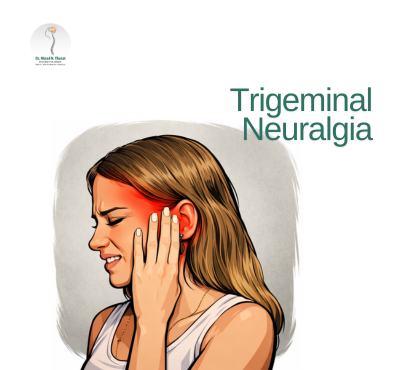
Imagine experiencing sudden, electric shock-like pain on your face while doing something as simple as brushing your teeth, talking, or even feeling a light breeze. This is the harsh reality for individuals suffering from trigeminal neuralgia, a condition often referred to as the “suicide disease” due to the intensity and unpredictability of its pain.
Despite being relatively rare, trigeminal neuralgia can severely impact a person’s quality of life—physically, emotionally, and socially. The good news is that modern medicine offers multiple treatment options that can significantly reduce pain and restore normalcy.
In this comprehensive guide, we’ll explore everything you need to know about trigeminal neuralgia—from causes and symptoms to the latest management options available today.
What is Trigeminal Neuralgia?
Trigeminal neuralgia is a chronic pain condition affecting the trigeminal nerve, which is responsible for carrying sensory information from your face to your brain.
Key Facts:
- It typically affects one side of the face
- Pain episodes are sudden and intense
- It can last for seconds to minutes but may recur frequently
The trigeminal nerve has three branches:
- Ophthalmic (forehead and eyes)
- Maxillary (cheeks and upper jaw)
- Mandibular (lower jaw)
Pain can occur in one or more of these regions.
Why is it Called the “Suicide Disease”?
The nickname comes from the extreme severity of pain associated with the condition. Many patients describe it as:
- Electric shock-like
- Burning or stabbing sensation
- Sudden and unbearable
In severe, untreated cases, the pain can lead to:
- Depression
- Anxiety
- Social withdrawal
- Difficulty eating or speaking
This highlights the importance of early diagnosis and proper treatment.
Causes of Trigeminal Neuralgia
Trigeminal neuralgia occurs when the trigeminal nerve is irritated or compressed.
Common Causes:
1. Blood Vessel Compression
A blood vessel pressing against the nerve is the most common cause. This leads to damage of the nerve’s protective covering (myelin sheath).
2. Age-Related Changes
It is more common in individuals above 50 years of age due to natural wear and tear.
3. Multiple Sclerosis
In some cases, nerve damage is linked to neurological conditions.
4. Tumors or Structural Issues
Rarely, a tumor or abnormality may compress the nerve.
5. Unknown Causes (Idiopathic)
In some patients, no clear cause is identified.
Symptoms of Trigeminal Neuralgia
The hallmark symptom is severe facial pain, but it presents in specific patterns.
Typical Symptoms:
- Sudden, sharp, electric shock-like pain
- Episodes lasting a few seconds to minutes
- Pain triggered by simple activities like:
- Brushing teeth
- Talking
- Eating
- Touching the face
- Pain occurring in cycles (active phases followed by remission)
Trigger Zones:
Certain areas on the face can trigger pain when touched.
Types of Trigeminal Neuralgia
1. Type 1 (Classic TN)
- Sudden, intense, intermittent pain
- Most common form
2. Type 2 (Atypical TN)
- Continuous dull aching pain
- Less intense but more persistent
Diagnosis: How is Trigeminal Neuralgia Identified?
Diagnosis is primarily based on clinical history and symptom patterns.
Evaluation Includes:
- Detailed patient history
- Neurological examination
- MRI scan to rule out:
- Tumors
- Multiple sclerosis
- Vascular compression
Early Neurological diagnosis is crucial to prevent worsening of symptoms.
Modern Management Options
Treatment depends on the severity, cause, and patient’s overall health. Modern management combines medications, minimally invasive procedures, and surgical options.
1. Medical Management (First-Line Treatment)
Medications are usually the first step.
Commonly Used Drugs:
- Anticonvulsants (to stabilize nerve activity)
- Muscle relaxants
- Pain modulators
Benefits:
- Effective in early stages
- Non-invasive
Limitations:
- Side effects like dizziness, fatigue
- Reduced effectiveness over time
2. Minimally Invasive Procedures
When medications fail, minimally invasive treatments are considered.
a) Radiofrequency Ablation
- Uses heat to damage pain-causing nerve fibers
- Provides quick pain relief
b) Balloon Compression
- Compresses the nerve to block pain signals
c) Glycerol Injection
- Chemical injection to reduce nerve pain
Advantages:
- Quick recovery
- Day-care procedures
- Suitable for elderly patients
Limitations:
- Temporary relief in some cases
- May require repeat procedures
3. Surgical Treatment
For severe or resistant cases, surgery offers long-term relief.
Microvascular Decompression (MVD)
This is considered the most effective surgical option.
Procedure:
- The surgeon relieves pressure on the nerve by repositioning the blood vessel
Benefits:
- Long-lasting relief
- Preserves nerve function
Risks:
- Requires general anesthesia
- Small risk of complications
Lifestyle and Supportive Measures
While medical treatment is essential, lifestyle adjustments can help manage symptoms.
Practical Tips:
- Avoid known triggers (cold wind, hard foods)
- Maintain oral hygiene gently
- Eat soft foods during flare-ups
- Manage stress through relaxation techniques
Emotional and Psychological Impact
Living with trigeminal neuralgia is not just physically painful—it also affects mental health.
Common Emotional Challenges:
- Fear of pain recurrence
- Anxiety during daily activities
- Social isolation
Coping Strategies:
- Psychological counseling
- Support groups
- Family support
- Mindfulness and relaxation techniques
Importance of Early Treatment
Delaying treatment can lead to:
- Increased frequency of pain episodes
- Reduced response to medications
- Emotional distress
Early intervention improves outcomes and quality of life.
Advances in Treatment
Modern advancements have significantly improved management:
- Improved imaging for accurate diagnosis
- Safer surgical techniques
- Better pain control medications
- Minimally invasive procedures with faster recovery
When Should You See a Doctor?
Seek medical help if you experience:
- Recurrent facial pain
- Sudden electric shock-like sensations
- Pain triggered by normal activities
- Persistent discomfort affecting daily life
Early neurologist consultation can prevent complications.
Trigeminal neuralgia may be one of the most painful medical conditions, but it is manageable with the right approach. From medications to advanced surgical options, modern treatments offer hope and relief to patients suffering from this condition.
If you or someone you know is experiencing symptoms, don’t ignore them. Early diagnosis and proper care can make a life-changing difference.
FAQs
1. Is trigeminal neuralgia a lifelong condition?
It can be chronic, but many patients experience periods of remission. With proper treatment, symptoms can be effectively controlled and quality of life improved.
2. Can trigeminal neuralgia go away on its own?
In some cases, symptoms may temporarily disappear, but the condition usually requires medical treatment to prevent recurrence and worsening.
3. What is the most effective treatment for trigeminal neuralgia?
The effectiveness depends on the individual case. Medications are the first line, but surgical options like microvascular decompression offer long-term relief in severe cases.