
Spine Issues
Neck pain has become one of the most common complaints in modern adult life. Long hours on laptops, mobile phones, two-wheeler travel, desk jobs, poor sleep posture, and stress have made neck stiffness feel almost normal. Many people live with a constant tightness at the base of the neck, occasional headaches, shoulder heaviness, or a pulling pain that worsens by evening. Because the symptom is so common, it is easy to dismiss it as a temporary posture issue. But in many adults, repeated neck pain and stiffness may be linked to cervical spondylosis.
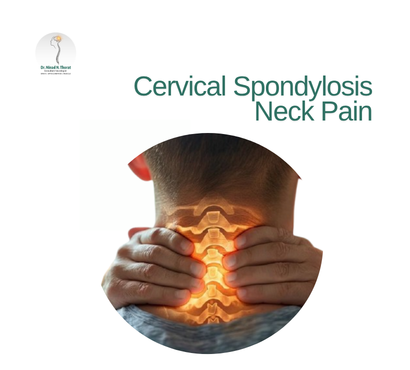
Cervical spondylosis is a wear-and-tear condition involving the bones, discs, and joints of the neck. It becomes more common with age, but symptoms can start much earlier, especially in people with poor posture, long screen exposure, repetitive neck strain, or existing spine degeneration. Some people only feel stiffness. Others develop pain radiating into the shoulders or arms. In more significant cases, nerve compression can lead to tingling, numbness, weakness, clumsy hand function, or balance issues.
This is why cervical spondylosis should not be understood as just “a little neck pain.” In many patients, it stays mild and manageable. In others, it begins to interfere with sleep, work, travel, concentration, and confidence in daily movement. A person may stop turning the neck fully while driving. Another may wake up with arm tingling. Someone else may think their headache is due to stress when the neck is playing a role.
Indian adults often normalize neck pain for too long. They blame the pillow, the office chair, the mobile phone, or “wind in the neck.” Temporary strain is real, but persistent symptoms deserve better understanding. This is especially true when neck pain is accompanied by arm symptoms, numbness, weakness, repeated headaches, or reduced balance.
This blog explains what cervical spondylosis is, why it causes neck pain, how it affects nerves and daily life, what warning signs need closer attention, and what practical steps can help people manage the condition more wisely.
What is cervical spondylosis?
The cervical spine is the part of the spine in the neck. Cervical spondylosis refers to age-related or wear-related changes in this part of the spine. These changes may affect:
- the discs between the vertebrae,
- the joints,
- the bones,
- and nearby nerves.
Over time, discs can lose hydration, joints can become stiff, and bony changes may develop. Some people have these changes on scans without any major symptoms. Others develop pain, stiffness, headaches, or nerve-related complaints.
This is an important point: cervical spondylosis is common, but symptoms vary. A scan alone does not tell the full story. The way the person feels and functions matters just as much.
Why it is so common now
Cervical spondylosis becomes more common with age, but modern lifestyles have made neck problems appear earlier and more frequently. Common contributing habits include:
- long hours at a desk,
- forward-head posture,
- mobile phone overuse,
- poor workstation setup,
- insufficient exercise,
- jerky travel on bad roads,
- stress-related neck muscle tightening,
- poor pillow support.
In many Indian households, both working professionals and homemakers can be affected. Office workers strain the neck with screens, while homemakers may develop neck stress from repetitive household tasks, awkward lifting, and poor rest posture. Students too are increasingly affected due to heavy device use.
What symptoms does cervical spondylosis cause?
The most common symptoms include:
- neck pain,
- neck stiffness,
- shoulder discomfort,
- headache starting from the neck,
- reduced ability to turn the neck,
- pulling sensation in the upper back.
Some people feel pain mostly after sitting long hours. Others feel early morning stiffness. Some feel clicking or grinding with neck movement. In many cases, symptoms fluctuate — better on some days, worse after work strain, travel, or poor sleep.
Why headaches can be part of the problem
One of the most overlooked features of cervical spondylosis is headache. Patients often think headache must mean migraine, eye strain, stress, or sinus trouble. But neck-related headache can happen when neck muscles and cervical structures become irritated or strained. These headaches often begin in the back of the head or upper neck and may move toward the temples or forehead.
Not every headache with neck pain is caused by cervical spondylosis. But when headaches regularly appear with stiffness, reduced neck movement, or pain after long posture strain, the neck deserves attention.
When arm tingling or numbness begins
Cervical spondylosis becomes more significant when nearby nerves are affected. This can happen when degenerative changes narrow the spaces around nerve roots. When that occurs, symptoms may travel beyond the neck and into the shoulder, arm, hand, or fingers.
Common nerve-related symptoms include:
- arm pain,
- tingling,
- numbness,
- burning sensation,
- hand weakness,
- clumsiness while gripping,
- discomfort that increases with certain neck positions.
This pattern is often described as cervical radiculopathy. Patients may say the pain shoots down the arm or that certain fingers go numb.
Why some people feel only stiffness while others feel nerve symptoms
This depends on what structures are involved. Mild cervical spondylosis may affect mostly joints and muscles, leading to:
- stiffness,
- local pain,
- reduced flexibility,
- headache.
If nerve roots become irritated or compressed, then arm symptoms appear. If the spinal cord becomes significantly affected in more advanced situations, balance issues, coordination problems, or widespread weakness may occur. That is why cervical spondylosis can range from mildly irritating to functionally important.
Adults dealing with persistent neck pain, arm tingling, reduced neck movement, or symptoms suggestive of nerve compression may benefit from evaluation by a Brain Specialist Doctor In Nashik when the condition seems to involve more than simple muscle strain.
Common triggers that worsen cervical spondylosis symptoms
Many daily habits can aggravate symptoms:
- prolonged laptop work,
- looking down at the phone for long periods,
- sleeping without proper neck support,
- long travel on bikes or rough roads,
- sudden jerky neck movement,
- stress-related muscle tightening,
- carrying heavy bags on one shoulder,
- poor sitting posture.
Some people notice that symptoms worsen after a long office day. Others feel pain after weekend travel or after using two screens for hours without breaks. These patterns are useful because they help identify preventable aggravating factors.
Morning stiffness vs evening pain
Patients often notice one of two common patterns:
- morning stiffness that improves with gentle movement,
- evening heaviness that worsens after prolonged strain.
Both patterns can occur in cervical spondylosis. Morning stiffness may reflect overnight immobility and poor support. Evening pain often reflects cumulative postural load. Understanding this helps patients stop thinking the pain is random.
Can cervical spondylosis cause dizziness?
Some patients with neck issues report dizziness or lightheadedness, but this area is often misunderstood. Not every dizzy patient has cervical dizziness, and not every neck problem explains imbalance. If dizziness is persistent, severe, or accompanied by neurological symptoms, it should not be casually blamed on the neck without proper assessment.
The safest approach is to treat dizziness as a symptom needing careful review rather than assuming it is posture-related.
When should neck pain worry you more?
Cervical Spondylosis Neck Pain: Common Spine Issues becomes more important when there are additional warning signs such as:
- arm tingling or numbness,
- weakness in the hands,
- dropping objects,
- difficulty turning the neck while driving,
- pain shooting down the arm,
- headache linked to neck movement,
- imbalance,
- coordination problems,
- bladder or bowel changes,
- worsening symptoms despite rest.
These features suggest that the issue may be going beyond routine muscle tightness.
Why Indian patients often delay proper care
There are several common reasons:
- neck pain is very common, so it is normalized,
- people use pain balm and continue working,
- they assume it is due only to the pillow,
- they keep changing chairs and mattresses without proper assessment,
- they take painkillers repeatedly,
- they fear being told to get surgery.
The result is that some patients seek help only after arm tingling, weakness, or severe function-limiting pain begins. Early attention does not mean immediate invasive treatment. It often means better understanding and prevention of worsening.
How posture contributes
Posture is not the only cause of cervical spondylosis, but it is a major symptom amplifier. Forward-head posture is especially problematic. When the head stays bent forward for long periods, the neck muscles and joints work harder to support it. Over time, this creates strain and worsens stiffness.
Common posture mistakes include:
- using the phone below chest level for long periods,
- leaning toward the laptop screen,
- working without back support,
- watching TV from awkward angles,
- using too many pillows,
- sleeping with the neck twisted.
Small daily corrections can reduce symptom load significantly.
What doctors usually evaluate
Doctors usually look at:
- the nature and duration of neck pain,
- whether the pain radiates,
- associated tingling or weakness,
- neck movement restriction,
- headache relationship,
- reflexes, strength, and sensation,
- balance or coordination changes,
- and whether imaging is needed.
This matters because not every neck pain patient needs the same workup. Simple stiffness is different from possible nerve compression.
Can it improve without surgery?
Yes, many cases can be managed without surgery, especially when identified before severe nerve or spinal cord involvement develops. This is an important reassurance. A diagnosis of cervical spondylosis does not automatically mean an operation. Many patients improve with:
- posture correction,
- activity changes,
- guided exercise,
- proper neck support,
- ergonomic changes,
- and timely medical care.
The key is that self-treatment without clarity is less useful than structured management.
Practical daily guidance
Helpful habits include:
- keeping screens at eye level,
- taking regular work breaks,
- avoiding prolonged downward neck bending,
- using a supportive pillow,
- not carrying heavy weight on one shoulder,
- gentle stretching only when appropriate,
- keeping the upper back active,
- improving desk ergonomics.
These measures sound basic, but they are often more important than people realize. The neck responds to daily load patterns.
What should patients avoid?
Please avoid:
- constant self-cracking of the neck,
- repeated painkiller use without evaluation,
- sleeping in twisted positions,
- ignoring arm numbness,
- forcing sudden neck exercises during severe pain,
- assuming every headache is only stress,
- delaying care when weakness begins.
One common mistake is doing aggressive exercise videos from the internet without a proper diagnosis. That can worsen symptoms in some people.
How it affects quality of life
Chronic neck pain changes more than comfort. It affects:
- work stamina,
- driving confidence,
- sleep quality,
- concentration,
- mood,
- ability to use screens comfortably,
- and participation in travel or social plans.
A patient who is constantly protecting their neck or worrying about arm tingling often becomes mentally tired as well. That is why neck pain deserves proper management instead of only temporary relief.
Patients trying to understand whether their neck pain, headache, arm tingling, or posture-related symptoms reflect a bigger neurological or spine issue can also explore educational guidance under Neurology Care for better awareness of warning patterns.
When should you see a neurologist?
You should seek neurological evaluation if:
- neck pain is persistent,
- arm tingling or numbness is present,
- hand weakness develops,
- headaches are repeatedly linked with neck symptoms,
- balance feels affected,
- symptoms are worsening,
- daily work is becoming difficult,
- or the diagnosis remains unclear.
For patients dealing with neck pain that now includes tingling, numbness, radiating arm pain, clumsy hands, or headache overlap, consultation with a Neurologist In Nashik can help assess whether cervical spondylosis is affecting nerve roots, the spinal cord, or related neurological function.
Conclusion
Cervical spondylosis is one of the most common spine issues in adults, but common does not mean trivial. It can begin with simple stiffness and grow into a pattern of repeated neck pain, headaches, shoulder discomfort, arm tingling, and reduced daily comfort. In many people, lifestyle and posture make the symptoms worse, but wear-related changes in the cervical spine are often part of the picture too. The most useful step is to stop treating all neck pain as temporary strain. Persistent symptoms, especially those linked with numbness, tingling, weakness, or balance changes, deserve proper attention. The neck is not just a support structure; it is also a passageway for critical nerves and the spinal cord.
The good news is that many people can improve significantly with earlier awareness, better daily habits, and timely evaluation. When the condition is recognized before it becomes severe, patients often regain more comfort, confidence, and control over their routine. Neck pain may be common, but living with it blindly is not necessary.
FAQs
1. Can cervical spondylosis cause tingling in the hands?
Yes. If cervical spine changes irritate or compress nerves, tingling, numbness, or pain can travel into the arms and hands.
2. Is cervical spondylosis only an old-age problem?
No. It becomes more common with age, but symptoms can begin earlier due to posture strain, screen-heavy work, travel stress, and existing spine wear.
3. Can cervical spondylosis cause headaches?
Yes. Some people develop headaches linked to neck stiffness and cervical strain, especially when pain begins in the neck or back of the head.